Business / Finance / Compliance Course Template

Data Privacy & Information Compliance Training Template

A ready-to-customize course that helps employees handle personal and confidential information with care, consistency and accountability. Adapt every lesson to your policies, systems and jurisdictions in Vocaliv.

Skills / Topics
  • Personal data awareness
  • Privacy principles
  • Purpose limitation
  • Data minimization
  • Access & sharing
  • Retention
  • Secure handling
  • Individual rights
  • Third-party risk
  • Incident reporting
Template Overview

Turn privacy policies into everyday information-handling habits employees understand and apply.

Privacy breaks down through ordinary actions: a file sent to the wrong person, data reused for a new purpose, a suspected incident reported too late.

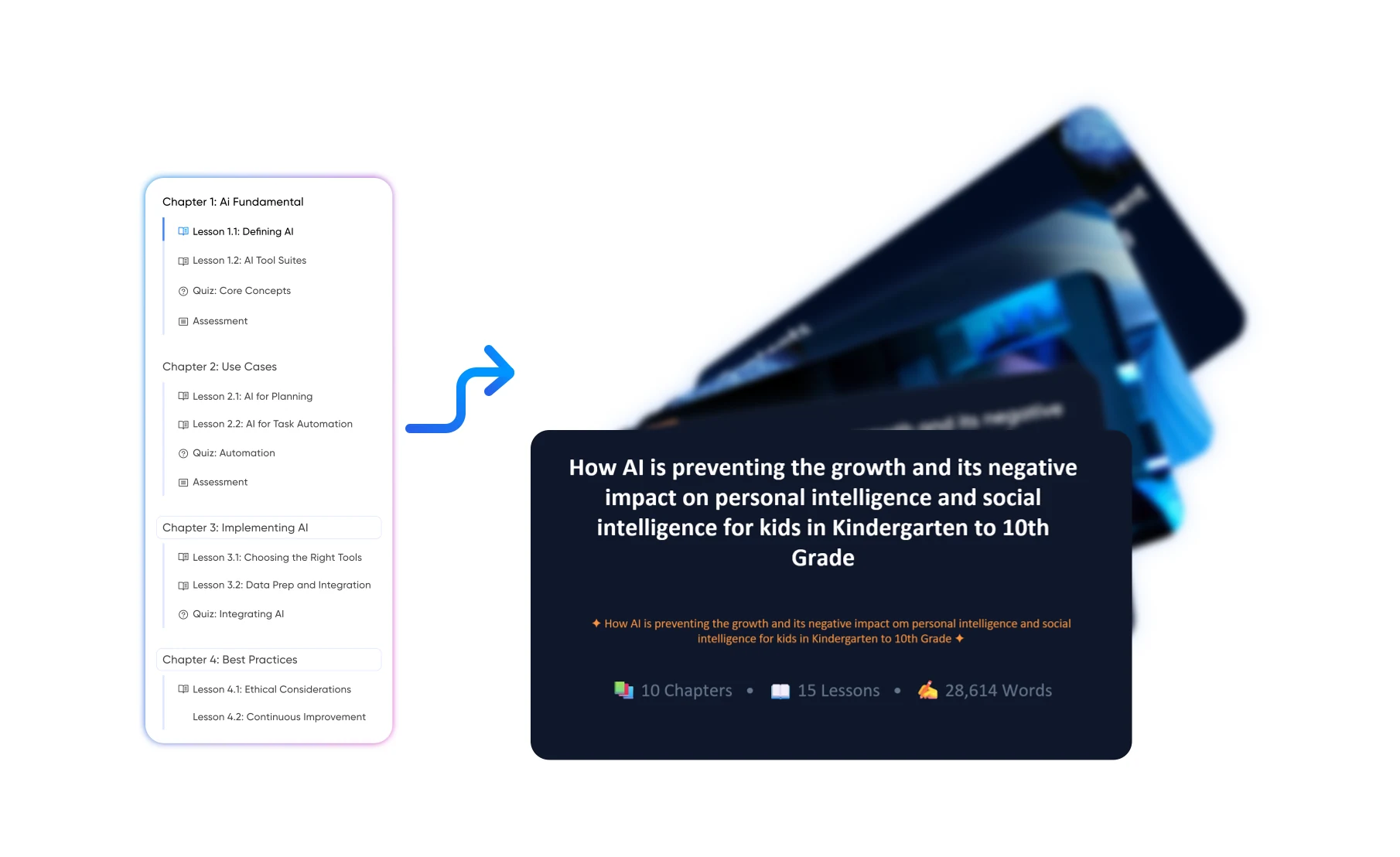
This template helps people catch those moments: eight practical modules from collection to incident reporting, ready to fill with your own privacy notices, retention schedules and approved systems.

Structure
8 modules
Audiences
5 learner tracks
Scope
Jurisdiction-neutral framework
Delivery
Fully customizable in Vocaliv
What's Included

What's Included in This Training Template

A suggested eight-module structure that can be adapted to your privacy program, information-handling policies, systems, workforce and applicable laws.

  1. Module 1

    Personal Data, Privacy & Employee Responsibilities

    Introduce what personal information can include, why privacy matters in everyday work, and the role employees play in protecting customer, employee, applicant, supplier and other identifiable information. Clarify that definitions and obligations vary by jurisdiction and policy.

  2. Module 2

    Core Data Protection & Privacy Principles

    Build a practical understanding of principles such as lawful and fair handling, transparency, purpose limitation, data minimization, accuracy, storage limitation, security and accountability. Focus on how these principles influence everyday decisions rather than memorizing legal text.

  3. Module 3

    Collecting, Using & Reusing Personal Information

    Help learners ask whether information is genuinely needed, collected through an approved process and used for the stated purpose. Cover unexpected secondary uses, unnecessary fields, informal data collection and when employees should seek privacy, legal or compliance guidance.

  4. Module 4

    Access, Sharing, Storage & Retention

    Teach employees to use approved systems, grant access on a need-to-know basis, check recipients before sharing, follow retention schedules and dispose of information through approved processes. Reinforce that convenience does not override access, storage or retention controls.

  5. Module 5

    Secure Information Handling in Everyday Work

    Connect privacy to practical security behavior: protecting files and devices, avoiding personal email or unapproved cloud storage, using secure collaboration methods, handling printed records carefully and following clean-desk, remote-work and authentication expectations where applicable.

  6. Module 6

    Sensitive Data, Third Parties & Higher-Risk Processing

    Introduce additional care for sensitive or high-risk information and for data handled by vendors, contractors or partners. Cover approved vendor processes, sharing limits, due diligence awareness, contractual controls and escalation for unusual or cross-border data-sharing situations.

  7. Module 7

    Individual Rights, Privacy Requests & Transparency

    Help employees recognize requests involving access, correction, deletion, objection or other privacy rights where applicable, and route them promptly to the responsible team. Reinforce that employees should not improvise legal responses or delete records outside approved procedures.

  8. Module 8

    Privacy Incidents, Breaches & Escalation

    Show learners how to recognize potential privacy incidents, including misdirected messages, lost devices, unauthorized access, accidental disclosure or inappropriate use. Emphasize immediate internal reporting, preservation of facts and escalation through the organization's approved incident process.

Why Your Team Needs Data Privacy & Information Compliance Training

Help employees make better information-handling decisions before data is collected, shared, stored, reused or exposed.

Make privacy part of everyday work

Translate broad privacy obligations into simple behaviors employees can apply when working with customer, employee, applicant and business information.

Reduce avoidable handling mistakes

Show teams how common actions such as oversharing, using the wrong system, keeping records too long or sending data to the wrong recipient can create privacy risk.

Encourage earlier questions and escalation

Help employees recognize situations involving sensitive data, unusual reuse, third-party sharing or rights requests that require specialist review instead of guesswork.

Improve incident awareness and reporting

Give employees clear examples of potential privacy incidents and reinforce why prompt internal reporting matters for investigation, containment and any required notifications.

Support a more consistent privacy program

Use one adaptable foundation that can be aligned to your privacy notices, information governance, retention rules, security controls, local law and role-specific responsibilities.

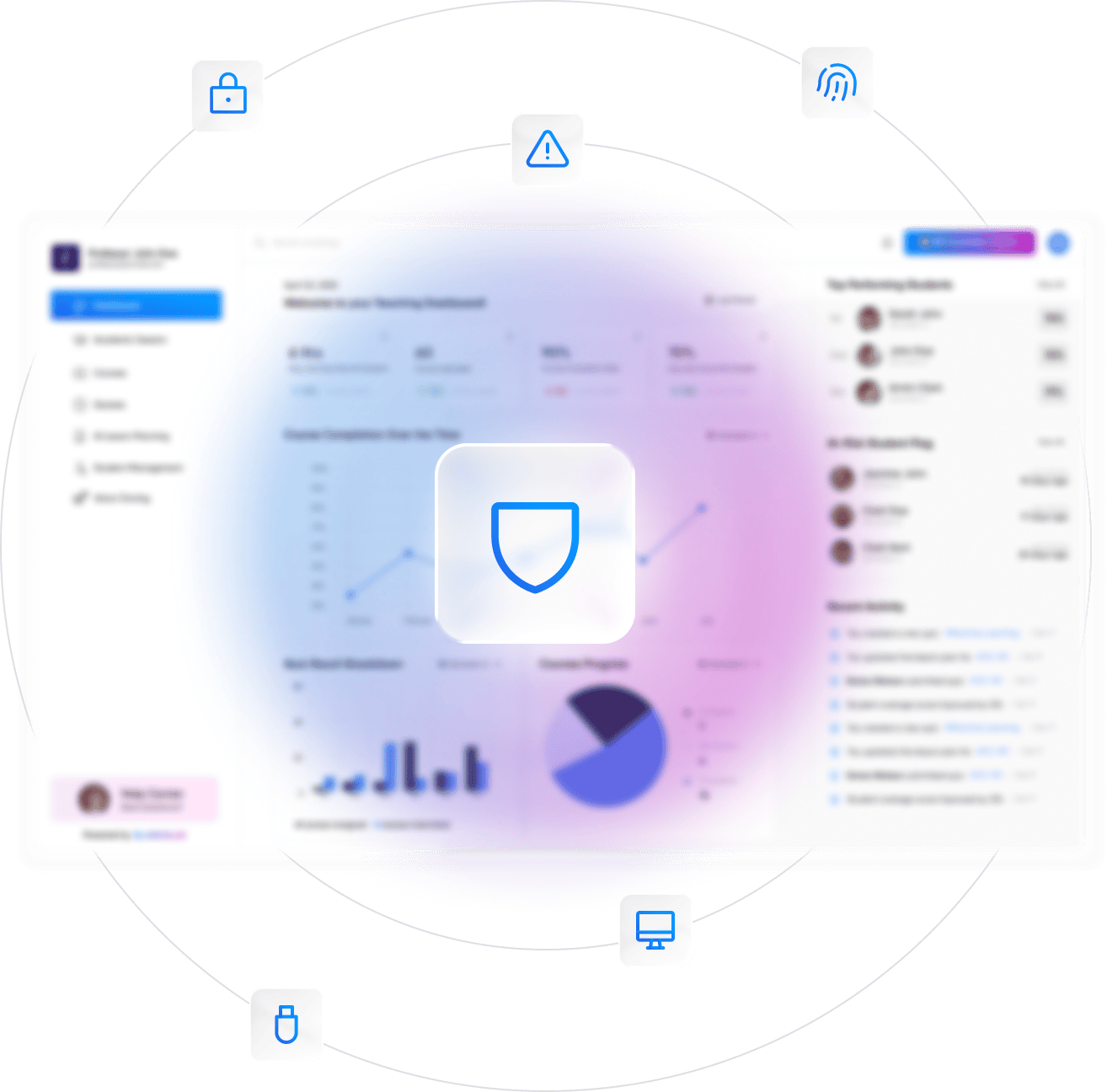
A Vocaliv dashboard behind a shield, with lock, fingerprint and alert icons around it
Learning Outcomes

What learners will be able to do

By the end of the training, learners should be able to:

  • Recognize common types of personal information and understand why some data requires additional care under policy or applicable law.
  • Apply practical privacy principles such as purpose limitation, data minimization, appropriate access, retention and accountability to everyday work.
  • Identify when personal information should not be collected, reused, shared or retained without an approved business purpose or required review.
  • Use approved systems and safer practices when accessing, storing, transferring or working remotely with personal and confidential information.
  • Recognize higher-risk situations involving sensitive information, third parties, unusual data sharing or cross-border processing and know when to escalate.
  • Recognize common privacy or data-rights requests and route them promptly through the organization's approved process.
  • Identify potential privacy incidents such as misdirected data, unauthorized access, lost devices or accidental disclosure.
  • Follow the organization's reporting and escalation process without attempting to investigate, conceal or resolve legal privacy issues independently.
Customize by Role

Customize the Training by Role

Use one core privacy template, then emphasize the data types, systems, decisions and escalation responsibilities each audience encounters in practice.

AudienceWhat to emphasize
All employeesPersonal-data awareness, privacy principles, recipient checks, approved storage, secure handling, retention, incident reporting and when to ask for help.
Managers / team leadsApproving access, data minimization, handling employee information, escalation, retention decisions, third-party sharing and reinforcing privacy-by-default behaviors.
HR / recruitment / people teamsApplicant and employee records, sensitive information, access controls, retention, sharing, rights requests, confidentiality and approved HR systems.
Sales / marketing / customer serviceCustomer contact data, transparency, appropriate use, marketing or communication permissions where applicable, CRM access, call or interaction records, sharing and rights requests.
IT / product / data / security teamsPrivacy by design, access controls, logging, data flows, test data, retention, vendors, higher-risk processing, incident response and coordination with privacy or legal teams.
Customize With Vocaliv

Customize This Data Privacy Template With Vocaliv

Start with the core training structure, then replace examples with your own privacy policies, approved systems, retention rules, reporting routes and role-specific scenarios.

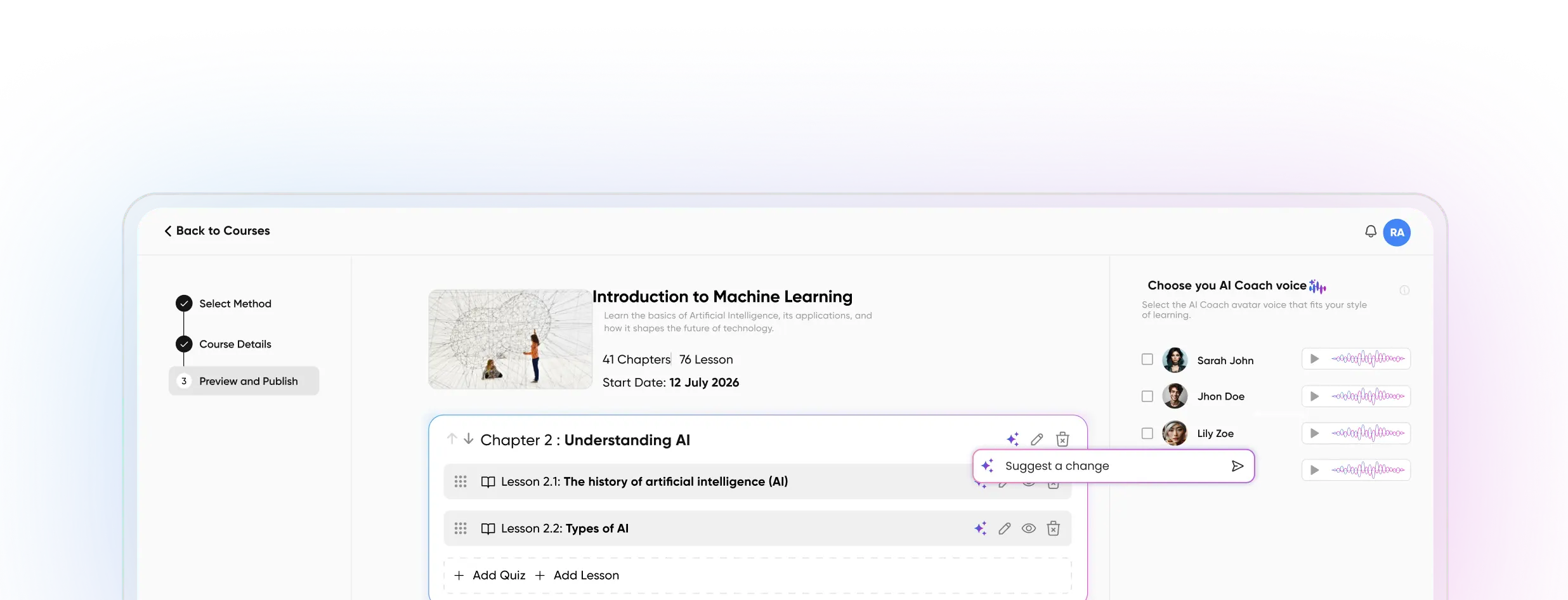
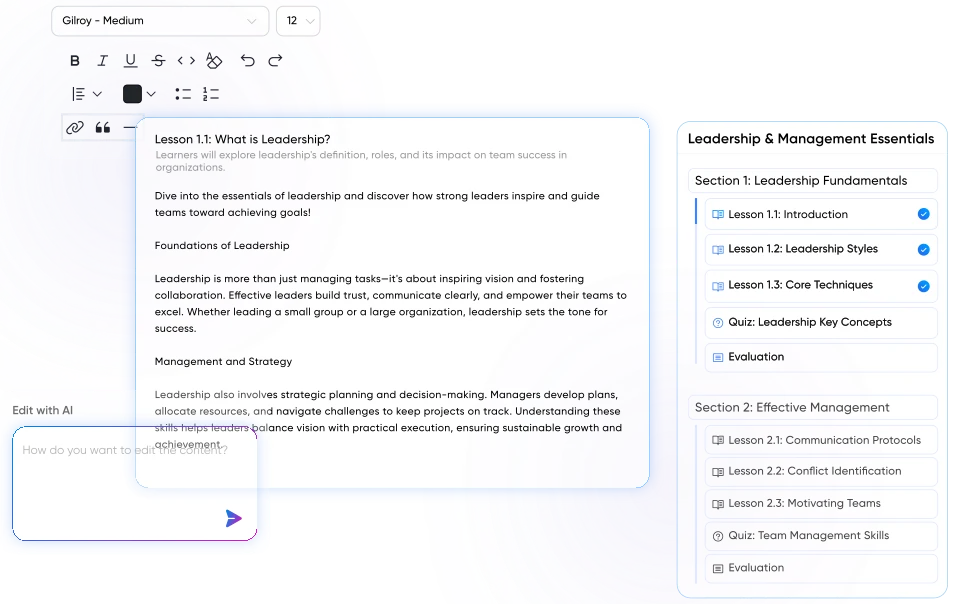
The Vocaliv course editor with the template's modules being rewritten around the organization's privacy notices, retention schedule and approved systems
1

Align the course to your privacy program

Add your privacy notices, information-classification rules, retention schedule, approved storage and sharing tools, request-handling procedures, incident contacts and jurisdiction-specific requirements.

2

Add realistic information-handling scenarios

Turn approved examples, recurring privacy questions and anonymized incident themes into practical scenarios that reflect how employees collect, use, share and store information.

3

Generate knowledge checks and quizzes

Create short assessments around data minimization, recipient checks, approved storage, retention, rights requests, third-party sharing and privacy incident reporting.

4

Turn the course into presentation-ready slides

Prepare an instructor-led version for onboarding, annual privacy refreshers, manager briefings, role-specific sessions or information-governance workshops.

5

Use Vocaliv AI Coach where appropriate

Let learners ask questions based on the approved course content and policies you provide. The AI Coach can support learning, while legal interpretations, rights-response decisions, breach notification decisions and policy exceptions remain with the appropriate privacy, legal, compliance or security owner.

6

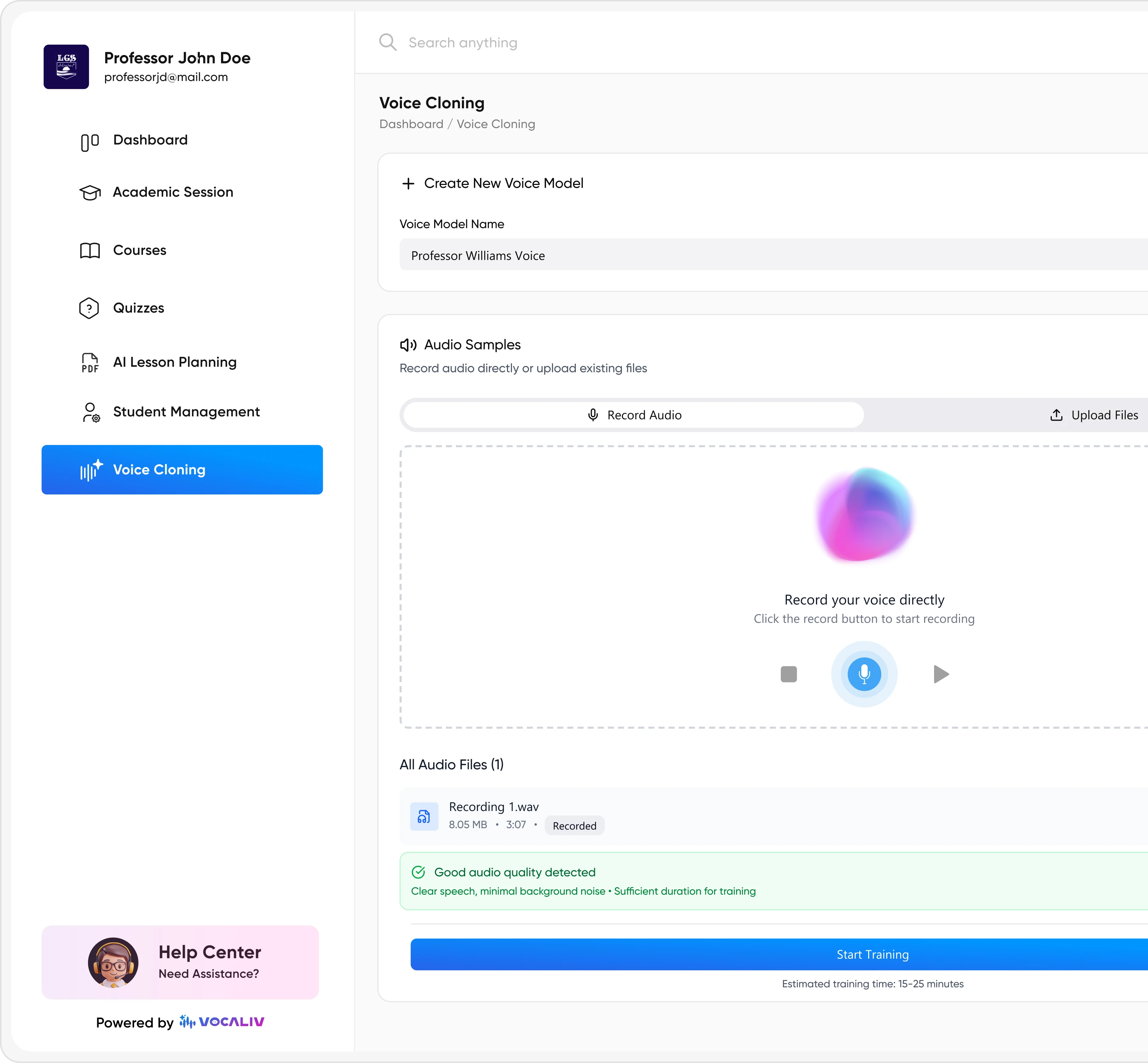
Use your trainer's voice

Where appropriate, voice cloning can help deliver AI-assisted course content in a familiar privacy, compliance, security or training facilitator voice.

FAQ

Frequently Asked Questions

Turn Privacy Policies Into Everyday Habits

Start with a structured data privacy template, add your own policies, systems, retention rules and realistic scenarios, and give employees a clearer way to protect information and respond when something goes wrong.

Chat with us 👋