Business / Finance / Compliance Course Template

Business Ethics & Workplace Compliance Training Template

A ready-to-customize course that gives employees a practical framework for ethical decisions, spotting compliance risks and speaking up when something feels wrong. Tailor every example to your policies and jurisdiction in Vocaliv.

Skills / Topics
  • Ethical decision-making
  • Code of conduct
  • Conflicts of interest
  • Gifts & hospitality
  • Anti-bribery awareness
  • Accurate records
  • Confidential information
  • Respectful workplace
  • Speak-up culture
  • Non-retaliation
Template Overview

Turn policies and principles into choices employees recognize and apply in everyday work.

Ethics training works when people connect broad rules to real moments: a supplier offers a gift before a decision, a manager asks for a record to be changed, a colleague is unsure whether to report.

This template gives you that grounding: eight scenario-led modules on conduct, conflicts, records, information and speaking up, ready to fill with your own policies, approval limits and reporting channels.

Structure
8 modules
Audiences
5 learner tracks
Scope
Jurisdiction-neutral framework
Delivery
Fully customizable in Vocaliv
What's Included

What's Included in This Training Template

A suggested eight-module structure that can be adapted to your code of conduct, risk profile, workforce and local compliance requirements.

  1. Module 1

    Business Ethics, Integrity & Your Code of Conduct

    Introduce the purpose of workplace ethics and compliance, connect organizational values to everyday behavior, and show learners how to use the code of conduct and related policies when making decisions.

  2. Module 2

    Conflicts of Interest & Outside Activities

    Help learners recognize actual, potential and perceived conflicts involving personal relationships, outside work, investments, gifts or decision-making responsibilities. Reinforce disclosure and approval rather than asking employees to judge conflicts alone.

  3. Module 3

    Gifts, Hospitality, Bribery & Improper Influence

    Explain how gifts, meals, travel, entertainment, favors and other benefits can create ethical or legal risk. Teach employees to check policy thresholds, business purpose, approval requirements and local anti-bribery rules before accepting or offering anything of value.

  4. Module 4

    Fraud, Accurate Records & Responsible Use of Company Assets

    Reinforce truthful records, expense accuracy, proper approvals and responsible use of money, equipment, systems and other company resources. Show how small shortcuts can create larger control and integrity issues.

  5. Module 5

    Confidential Information, Data Handling & Privacy Awareness

    Teach employees to handle confidential business, employee and customer information responsibly, follow approved access and sharing practices, and escalate suspected loss, misuse or unauthorized disclosure through the correct channels.

  6. Module 6

    Respectful Workplace, Fair Treatment & Professional Conduct

    Connect ethical behavior to respectful communication, fair treatment and appropriate workplace conduct. Reinforce that employees should follow organizational policies on discrimination, harassment, bullying, retaliation and related conduct, with local legal requirements added where applicable.

  7. Module 7

    Ethical Third-Party & Business Relationships

    Explore ethical expectations when working with customers, suppliers, agents, contractors and other third parties. Cover fair dealing, conflicts, due diligence awareness, improper requests and when employees should seek compliance or management guidance.

  8. Module 8

    Speaking Up, Reporting Concerns & Ethical Decision-Making

    Give learners a simple decision framework for uncertain situations and explain the organization's reporting options, escalation routes and non-retaliation expectations. Emphasize that employees do not need to investigate concerns themselves before raising them.

Why Your Team Needs Business Ethics & Compliance Training

Help employees turn policies into consistent decisions, identify issues earlier and know where to go when the right answer is not obvious.

Create a shared standard for everyday decisions

Give employees a common way to think about integrity, conflicts, gifts, records, information handling and professional conduct across roles and locations.

Make compliance expectations easier to apply

Move beyond policy awareness by showing employees how rules and approval processes apply to realistic workplace situations.

Encourage earlier questions and escalation

Help employees recognize when a situation requires disclosure, approval or specialist guidance before a small concern becomes a larger issue.

Strengthen a speak-up culture

Explain reporting options, good-faith reporting and non-retaliation expectations so employees know how to raise concerns through the channels available to them.

Support a more consistent compliance program

Use one adaptable foundation that can be aligned to your code of conduct, internal controls, local legal requirements, business risks and role-specific policies.

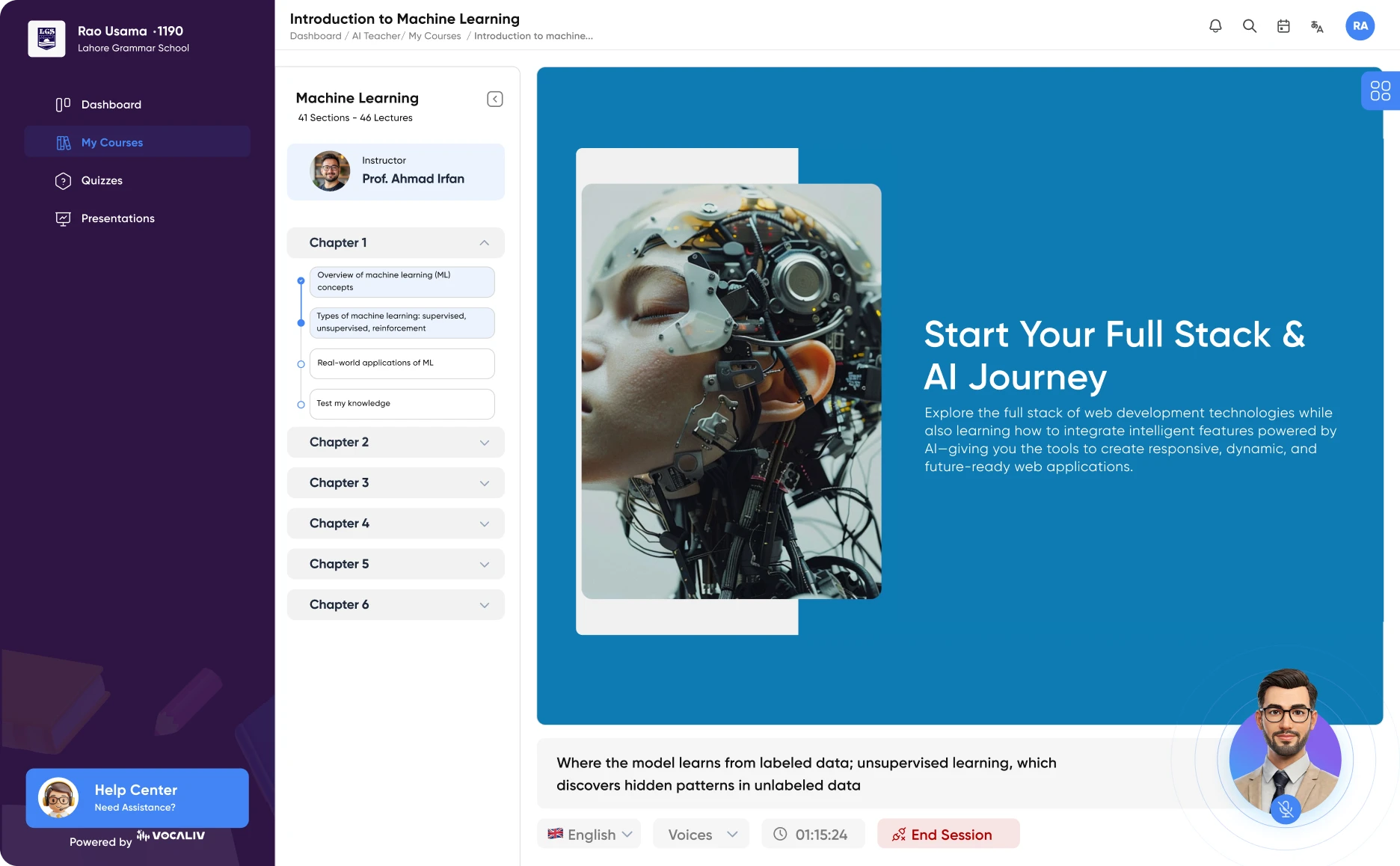
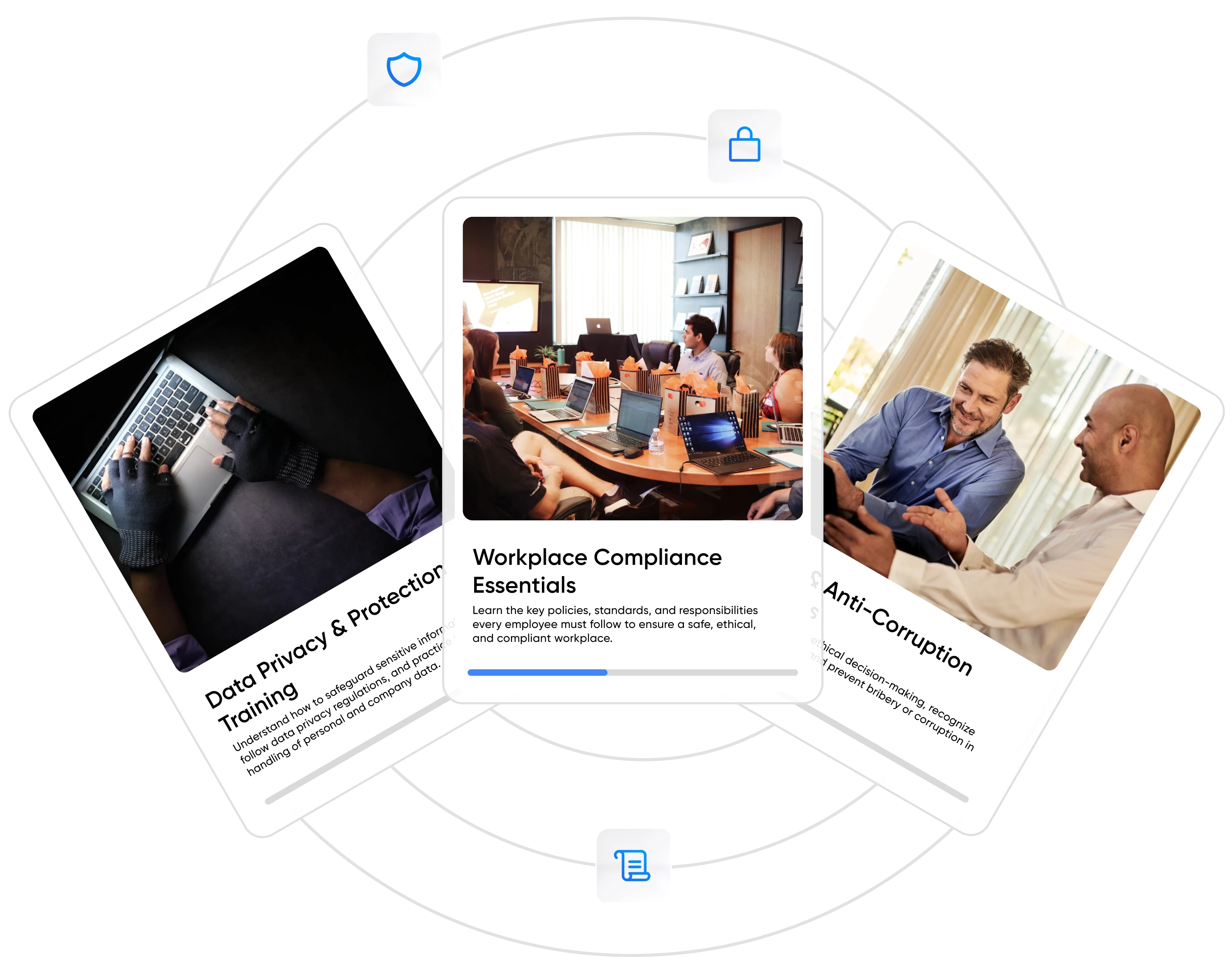
Three compliance course cards in Vocaliv, one with its progress bar partly complete
Learning Outcomes

What learners will be able to do

By the end of the training, learners should be able to:

  • Explain how the organization's values, code of conduct and compliance policies guide everyday workplace decisions.
  • Recognize common actual, potential and perceived conflicts of interest and identify when disclosure or approval is required.
  • Identify risk factors around gifts, hospitality, favors and improper influence and know when to pause or escalate.
  • Recognize the importance of accurate records, honest expense reporting, proper approvals and responsible use of company assets.
  • Apply basic principles for protecting confidential information and following approved data-handling practices.
  • Recognize workplace behavior that may conflict with organizational expectations on respect, fairness and professional conduct.
  • Use a practical ethical decision framework when a situation is unclear or creates competing pressures.
  • Identify available reporting channels, raise good-faith concerns appropriately and understand the organization's non-retaliation expectations.
Customize by Role

Customize the Training by Role

Use one core ethics and compliance template, then emphasize the decisions, risks, approvals and reporting responsibilities each audience encounters in practice.

AudienceWhat to emphasize
All employeesCode of conduct, ethical decision-making, conflicts, gifts, accurate records, confidential information, respectful conduct, reporting routes and non-retaliation.
Managers / supervisorsLeading by example, handling disclosures, responding to concerns, avoiding retaliation, escalating issues, fair treatment and documenting decisions appropriately.
Sales / procurement / customer-facing teamsGifts and hospitality, conflicts, improper influence, third-party interactions, fair dealing, approval thresholds and escalation of unusual requests.
Finance / operations / administrationAccurate records, approvals, expense integrity, company assets, fraud awareness, documentation, segregation of duties and escalation of irregular activity.
HR / people teamsRespectful workplace expectations, fair treatment, confidentiality, handling employee concerns, reporting routes, non-retaliation and coordination with legal or compliance owners.
Customize With Vocaliv

Customize This Ethics & Compliance Template With Vocaliv

Start with the core training structure, then replace generic examples with your own code of conduct, policies, reporting routes and role-specific scenarios.

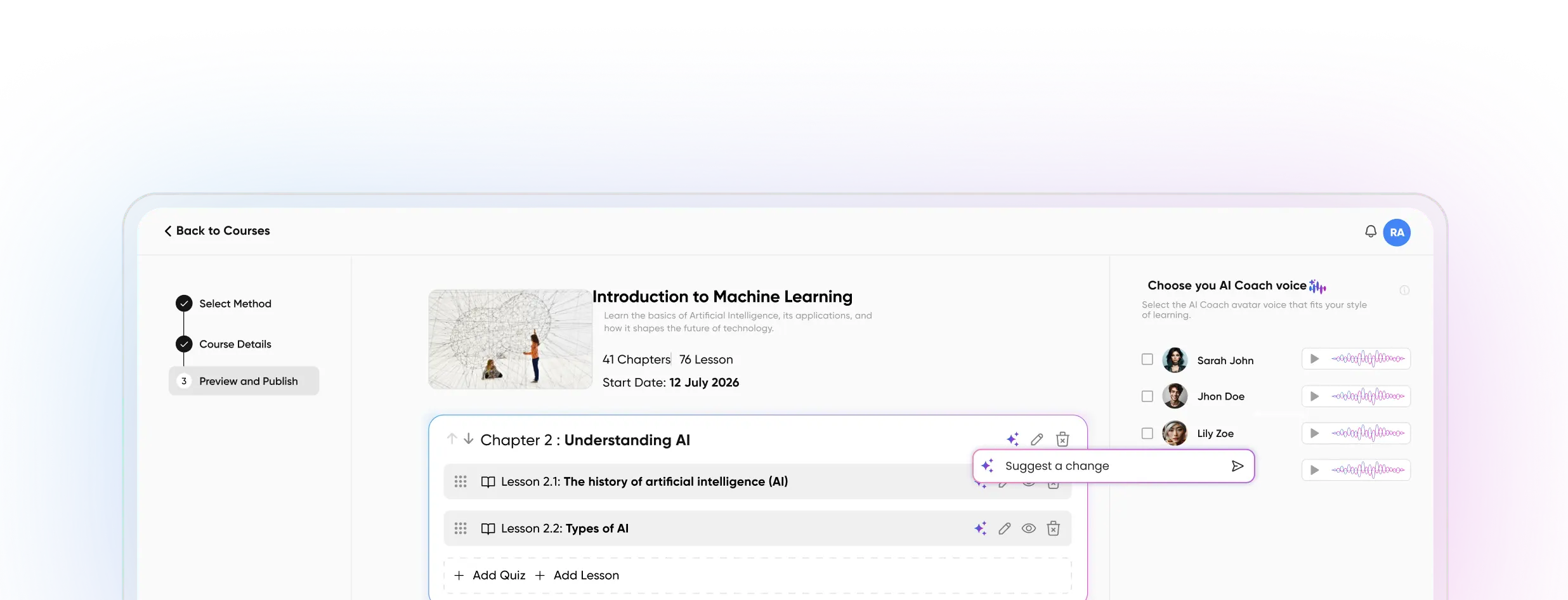
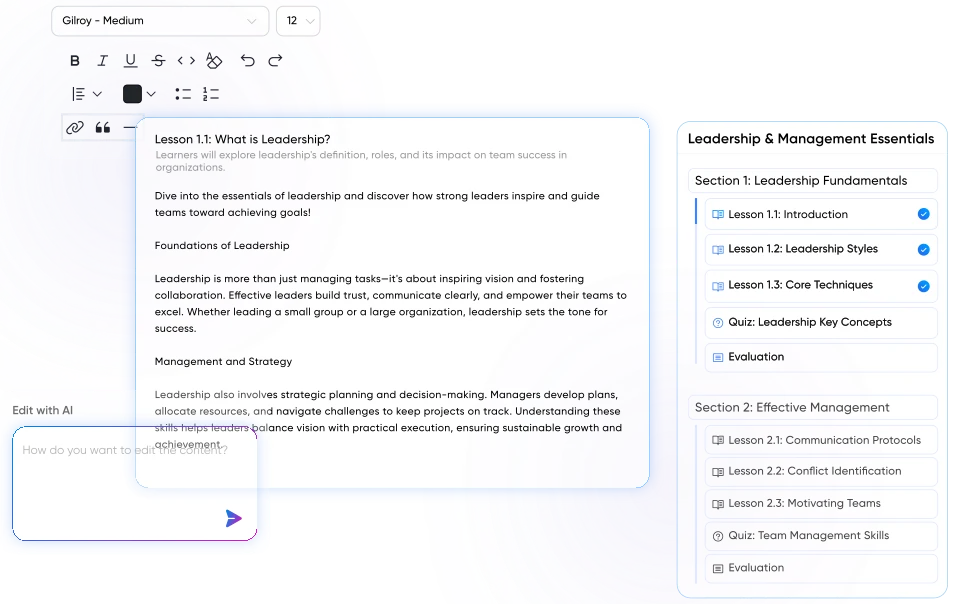
The Vocaliv course editor with the template's modules being rewritten around the organization's code of conduct and reporting channels
1

Align the course to your policies and risk areas

Replace generic guidance with your code of conduct, conflict disclosure process, gifts and hospitality rules, approval thresholds, record-keeping expectations, information-handling policies and reporting channels.

2

Add real-world scenarios from your workplace

Turn approved examples, recurring questions, anonymized case themes and common decision points into practical scenarios that reflect how employees actually work.

3

Generate knowledge checks and quizzes

Create short assessments around conflicts of interest, gifts, records, confidential information, respectful conduct, reporting concerns and ethical decision-making.

4

Turn the course into presentation-ready slides

Prepare an instructor-led version for onboarding, annual refreshers, manager sessions, compliance workshops or role-specific training.

5

Use Vocaliv AI Coach where appropriate

Let learners ask questions based on the approved course content and policies you provide. The AI Coach should support learning, while legal interpretations, policy exceptions and live compliance decisions remain with the appropriate internal owner.

6

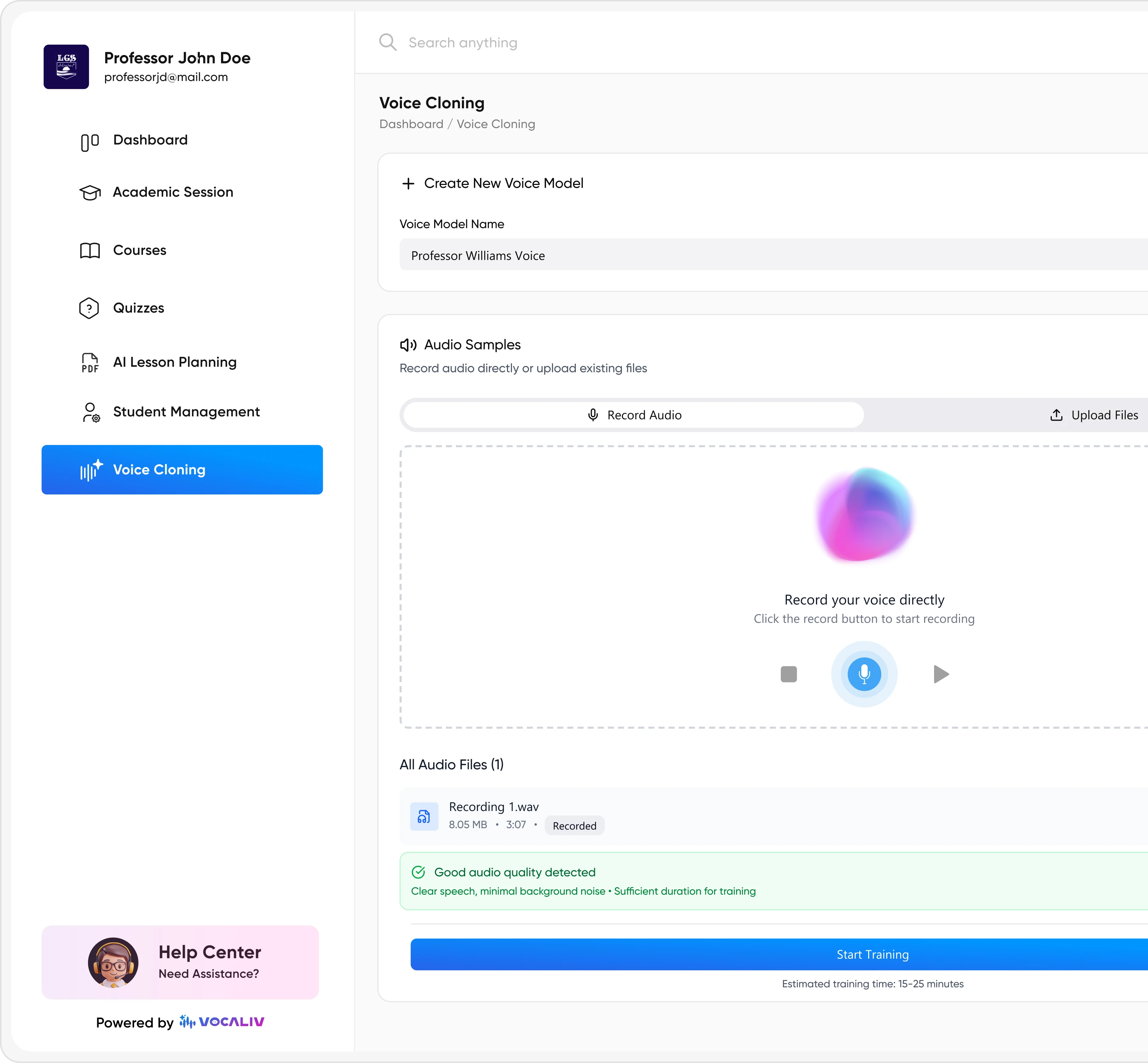
Use your trainer's voice

Where appropriate, voice cloning can help deliver AI-assisted course content in a familiar compliance, HR, legal or training facilitator voice.

FAQ

Frequently Asked Questions

Turn Your Code of Conduct Into Training People Can Apply

Start with a structured ethics and compliance template, add your own policies, real-world scenarios and reporting routes, and give employees a clearer way to recognize concerns and make responsible workplace decisions.

Chat with us 👋