Business / Finance / Compliance Course Template

Practical Accounting Fundamentals Course Template

A ready-to-customize course that shows how everyday business transactions become reliable accounting records, from source document to financial statement. Adapt the examples and chart of accounts to your organization in Vocaliv.

Skills / Topics
  • Accounting equation
  • Double-entry bookkeeping
  • Debits & credits
  • Journals
  • General ledger
  • Accruals
  • Reconciliations
  • Trial balance
  • Financial statements
  • Internal controls
Template Overview

A practical foundation for recording transactions and understanding how the numbers are built.

Accounting feels complex when learners meet the rules before they see a real transaction flow from source document to journal, ledger and financial statement.

This template teaches it in that order: eight step-by-step modules for new finance staff and non-specialists, ready to fill with your own account names, documents and procedures.

Structure
8 modules
Audiences
5 learner tracks
Prerequisites
No accounting experience
Delivery
Fully customizable in Vocaliv
What's Included

What's Included in This Training Template

A suggested eight-module structure that can be shortened, expanded or adapted to the learner role and accounting environment.

  1. Module 1

    Accounting Fundamentals & the Accounting Equation

    Introduce assets, liabilities and equity, explain how transactions change the accounting equation, and show why balanced records are the foundation of reliable financial information.

  2. Module 2

    Double-Entry Bookkeeping, Debits & Credits

    Explain the logic of double-entry bookkeeping and give learners a practical way to decide which accounts are debited and credited for common business transactions.

  3. Module 3

    Chart of Accounts, Journals & General Ledger

    Show how transactions move from source documents into journal entries and then into ledger accounts. Explain how a chart of accounts keeps financial records organized and consistent.

  4. Module 4

    Accrual Accounting, Prepayments & Adjustments

    Introduce the matching of income and expenses to the correct accounting period. Use simple examples of accruals, prepayments, depreciation and other adjusting entries without turning the course into technical standards training.

  5. Module 5

    Receivables, Payables, Cash & Bank Transactions

    Cover the accounting flow for customer invoices, supplier bills, collections, payments and bank activity. Reinforce how supporting documents and timely recording help maintain complete accounts.

  6. Module 6

    Reconciliations, Trial Balance & Error Checking

    Teach learners how reconciliations help confirm that records agree with external or supporting information, how a trial balance summarizes ledger balances, and how common posting errors can be investigated.

  7. Module 7

    From Accounting Records to Financial Statements

    Connect ledger balances to the income statement, balance sheet and cash flow information. Help learners understand how individual transactions ultimately affect reported financial performance and position.

  8. Module 8

    Month-End Discipline, Controls & Practical Application

    Bring the concepts together through a simple month-end workflow. Reinforce documentation, review, segregation of duties, approvals and other basic controls that support accurate and traceable accounting records.

Why Your Team Needs Accounting Fundamentals Training

Build accounting confidence so learners can record transactions more accurately, understand the process behind the numbers and spot issues earlier.

Create a shared accounting foundation

Give learners a common understanding of accounting language, transaction flow and the relationship between records and financial statements.

Improve transaction accuracy

Help learners classify transactions consistently, apply debit and credit logic and understand the evidence needed to support an entry.

Strengthen reconciliation skills

Show how bank, receivable, payable and other reconciliations can identify missing, duplicated or incorrect records before they affect reporting.

Make month-end work easier to understand

Connect journals, ledgers, adjustments, trial balances and reviews so learners can see how routine accounting tasks fit into the close process.

Support better internal controls

Reinforce documentation, approvals, segregation of duties and review habits that make accounting records easier to verify and explain.

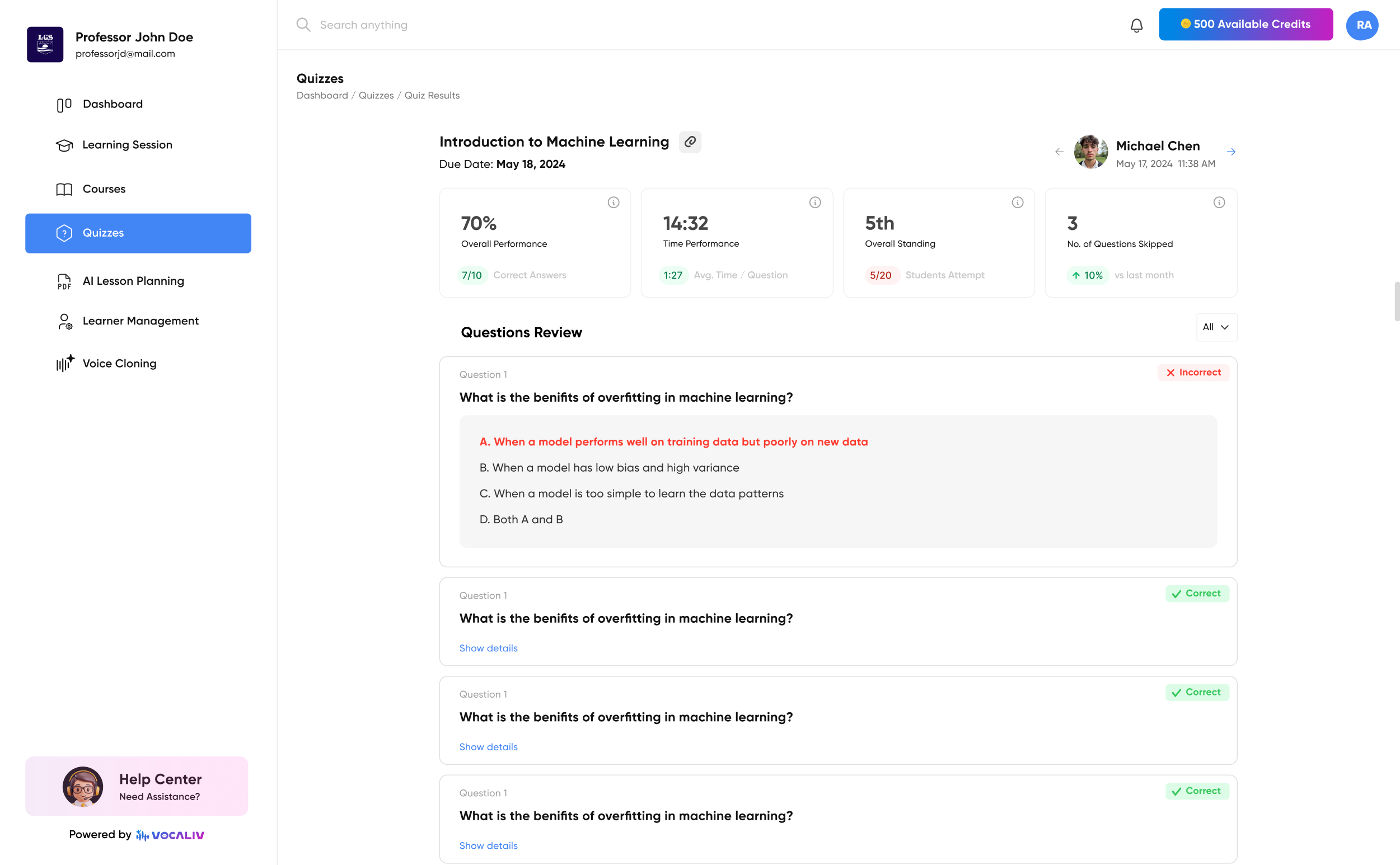
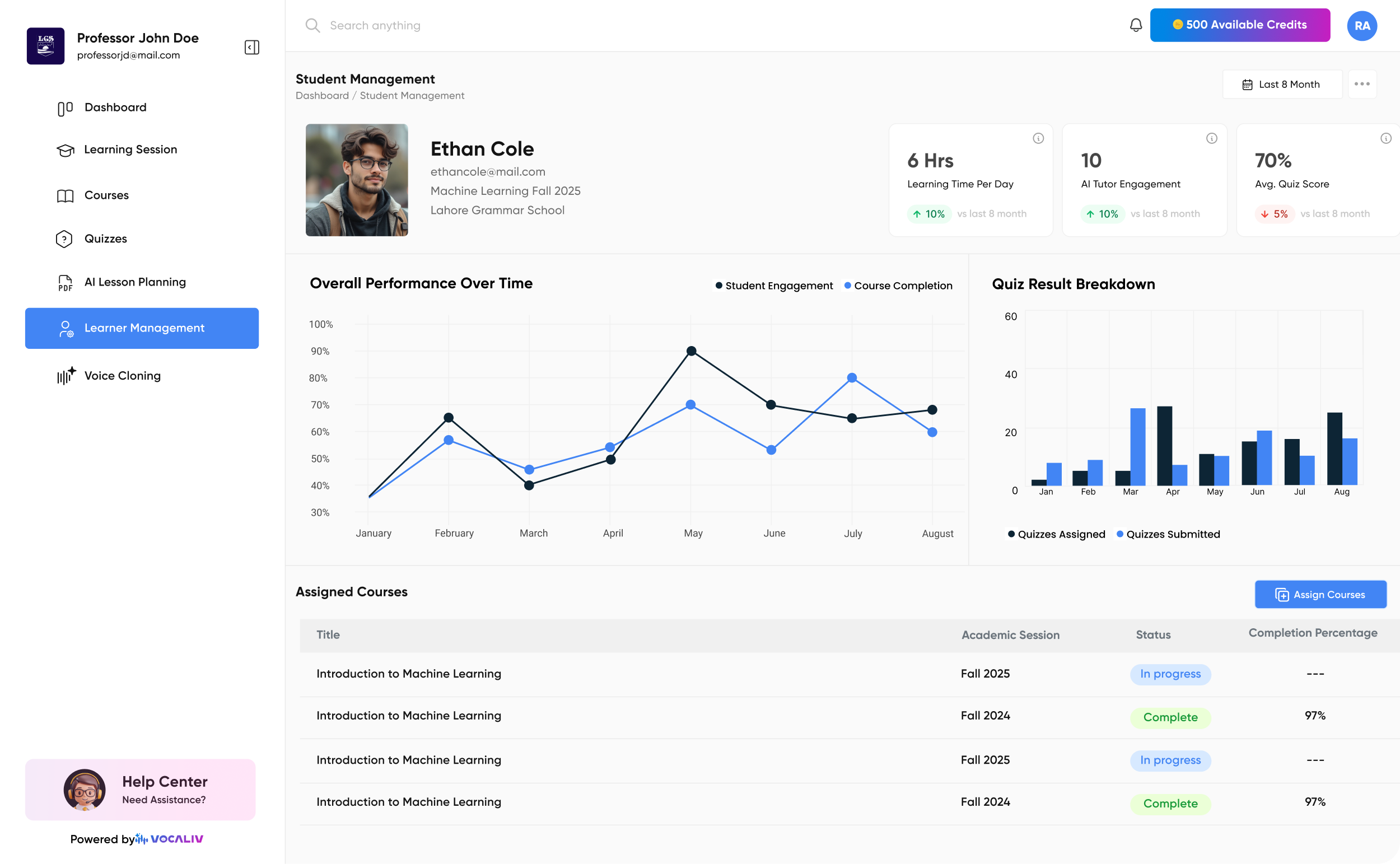
Learner progress dashboard in Vocaliv showing completion and assessment results for an accounting course
Learning Outcomes

What learners will be able to do

By the end of the training, learners should be able to:

  • Explain the accounting equation and how common transactions affect assets, liabilities and equity.
  • Apply basic double-entry bookkeeping and identify the debit and credit sides of routine transactions.
  • Describe the purpose of a chart of accounts, journals and the general ledger.
  • Record or interpret basic accruals, prepayments and other period-end adjustments using supplied examples.
  • Explain the accounting flow for receivables, payables, cash receipts and payments.
  • Perform or interpret a basic reconciliation and investigate common differences.
  • Explain what a trial balance shows and how accounting records feed into basic financial statements.
  • Recognize the role of documentation, approvals, review and segregation of duties in maintaining reliable records.
Customize by Role

Customize the Training by Role

Use one core accounting template, then emphasize the transactions, documents and controls each learner group handles in practice.

AudienceWhat to emphasize
New accounting / finance staffAccounting equation, double-entry, chart of accounts, journal entries, ledgers, reconciliations, trial balance and month-end workflow.
Accounts payable / receivable teamsSupplier invoices, customer billing, cash receipts and payments, account balances, supporting documents, aging awareness and reconciliations.
Bookkeeping / finance assistantsTransaction recording, debits and credits, journals, ledger maintenance, bank reconciliation, period-end adjustments and error checking.
Business administration / operations staffHow routine business documents and transactions affect accounts, why complete documentation matters and when finance review is required.
Small-business owners / foundersCore record-keeping logic, cash and bank activity, receivables and payables, basic financial statements and controls needed to maintain usable financial information.
Customize With Vocaliv

Customize This Accounting Template With Vocaliv

Start with the core accounting structure, then adapt the course to your chart of accounts, transaction types, documents and finance procedures.

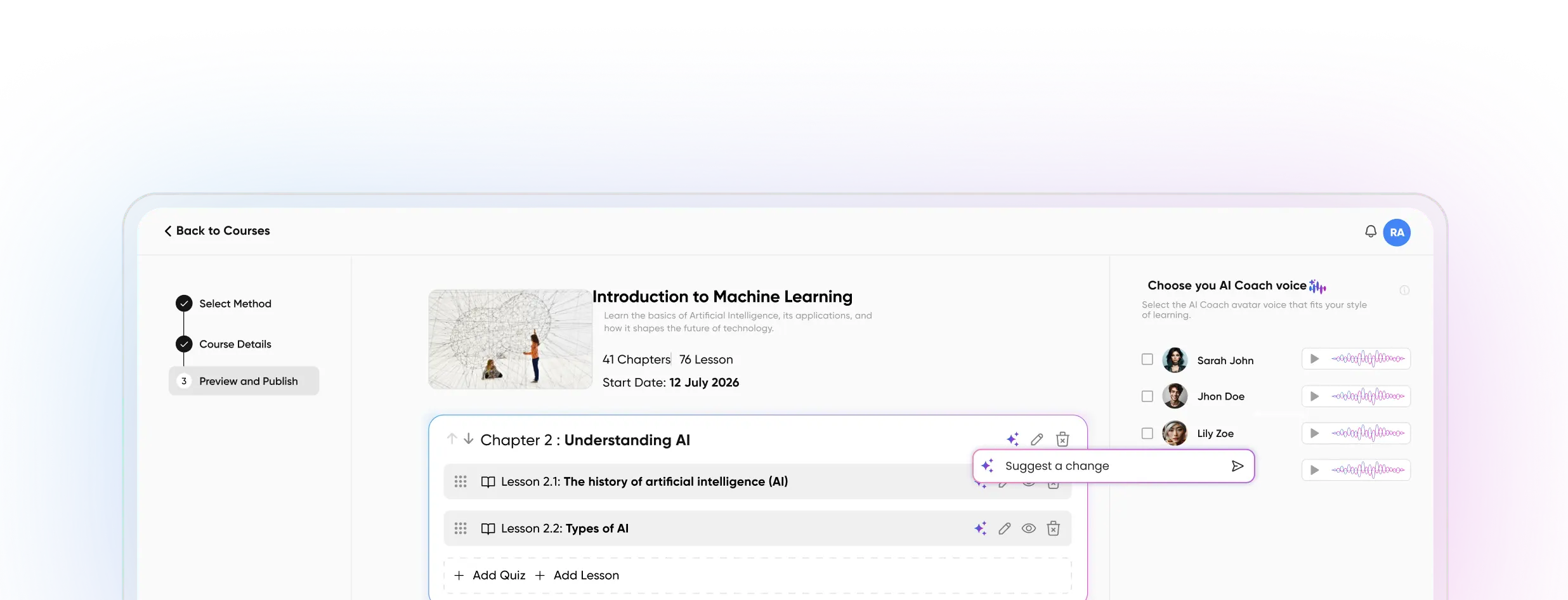
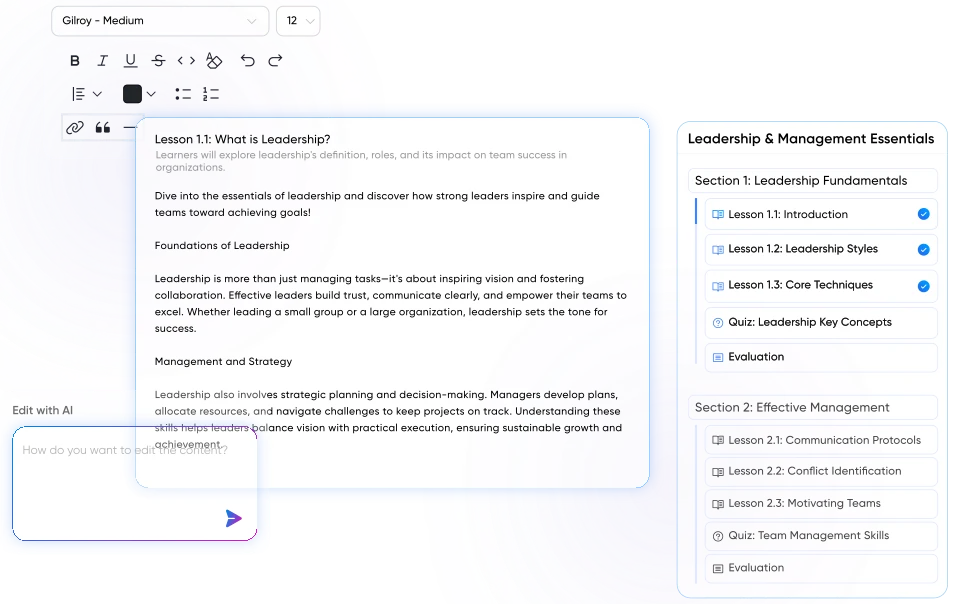
The Vocaliv course editor with the template's modules being rewritten around the organization's chart of accounts and close process
1

Edit the course around your accounting workflow

Replace generic account names and examples with your chart of accounts, source documents, approval steps, posting rules, close process and internal terminology.

2

Add your own accounting examples and documents

Use approved sample invoices, receipts, journals, ledgers, reconciliations, account listings and training material as inputs when building or refining the course.

3

Generate knowledge checks and quizzes

Create short assessments around transaction classification, debits and credits, journal entries, reconciliations, trial balances and financial statement relationships.

4

Turn the course into presentation-ready slides

Prepare an instructor-led version for finance onboarding, bookkeeping workshops, business administration programs or refresher training.

5

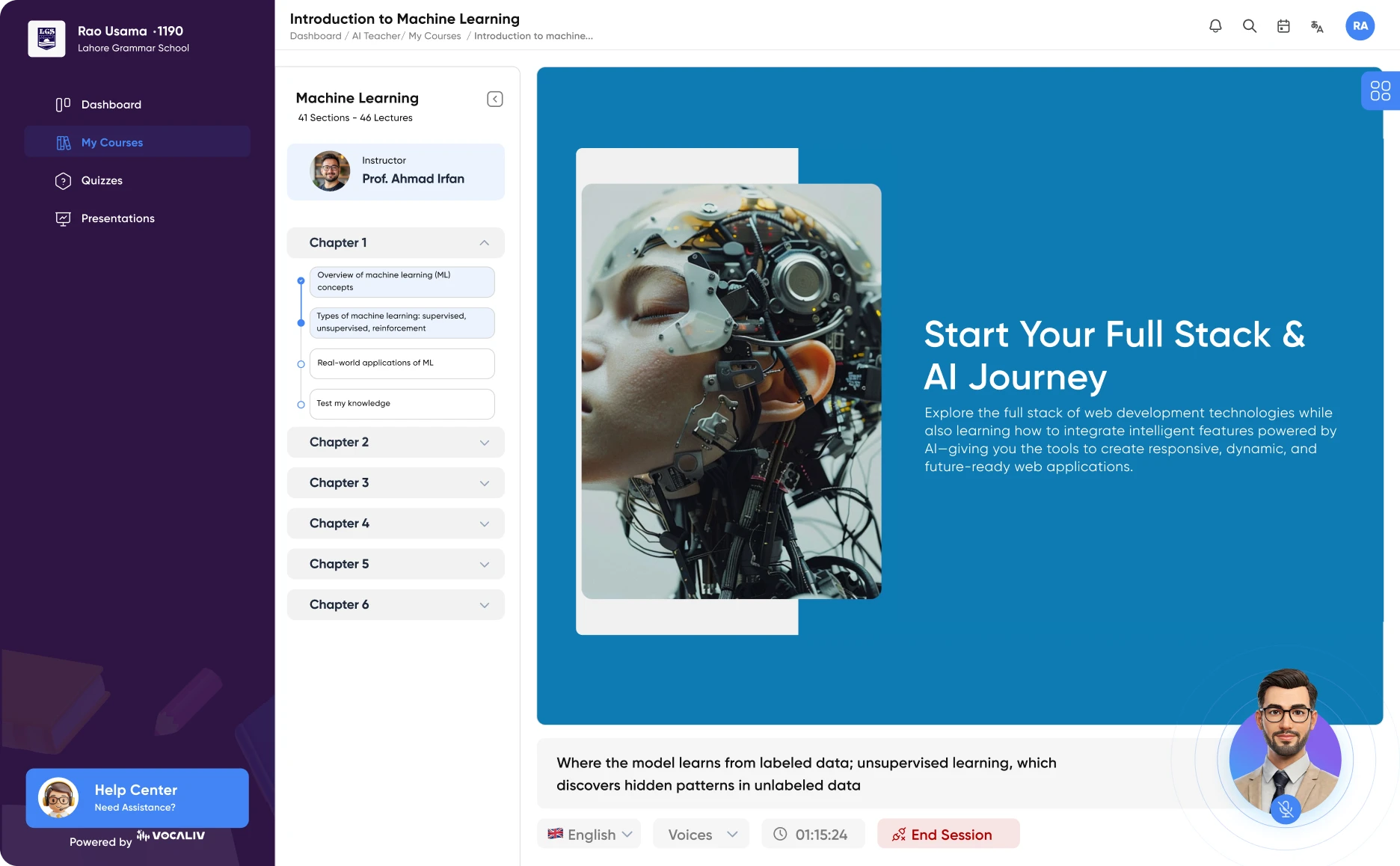
Use Vocaliv AI Coach where appropriate

Let learners interact with course content and ask questions based on the accounting material, examples and procedures you provide.

6

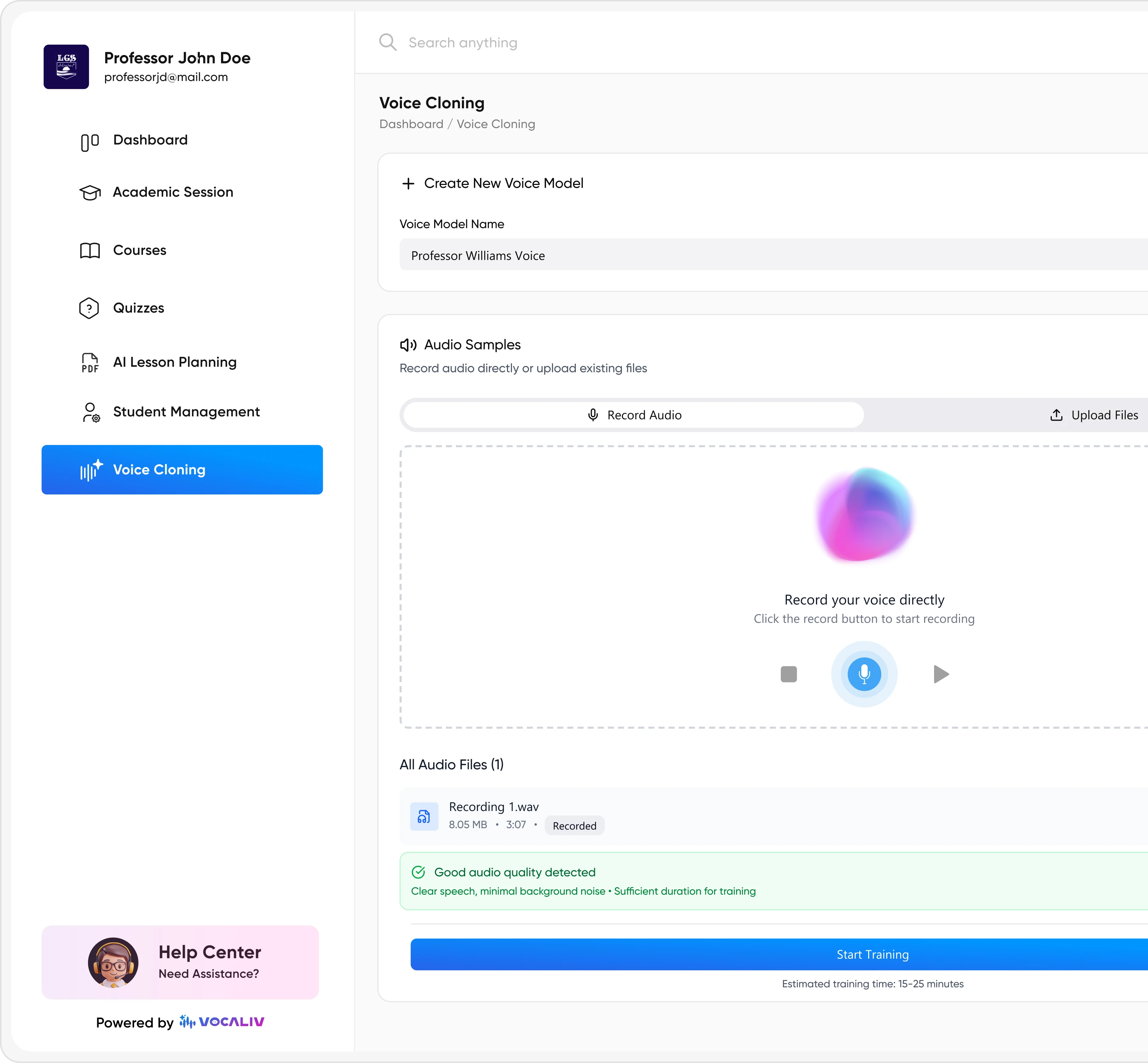
Use your trainer's voice

Where appropriate, voice cloning can help deliver AI-assisted course content in a familiar trainer, finance lead or facilitator voice.

FAQ

Frequently Asked Questions

Turn Accounting Basics Into Practical, Repeatable Training

Start with a structured accounting fundamentals template, add your own account names, transaction examples and finance procedures, and give learners a practical way to understand how everyday records become reliable financial information.

Chat with us 👋