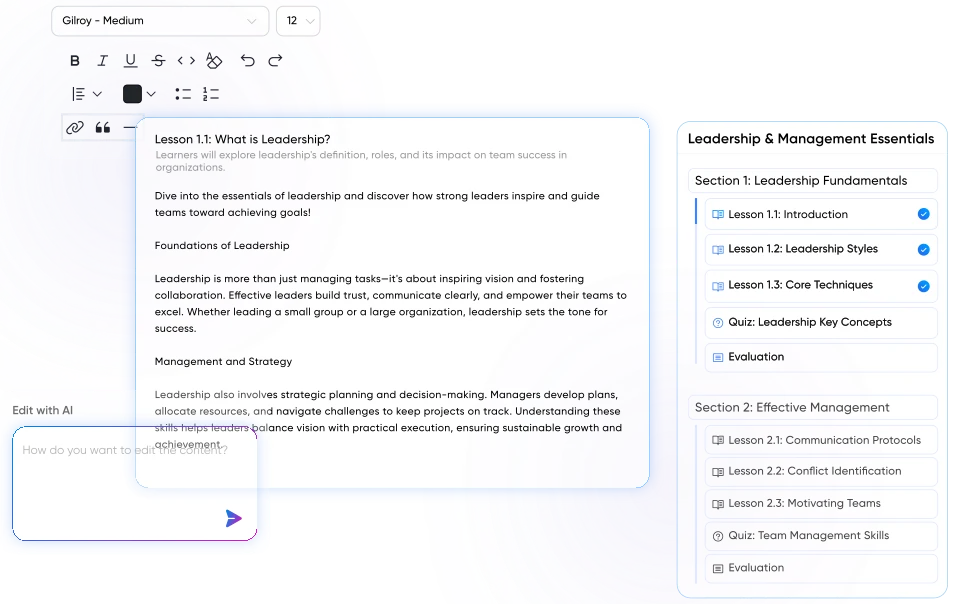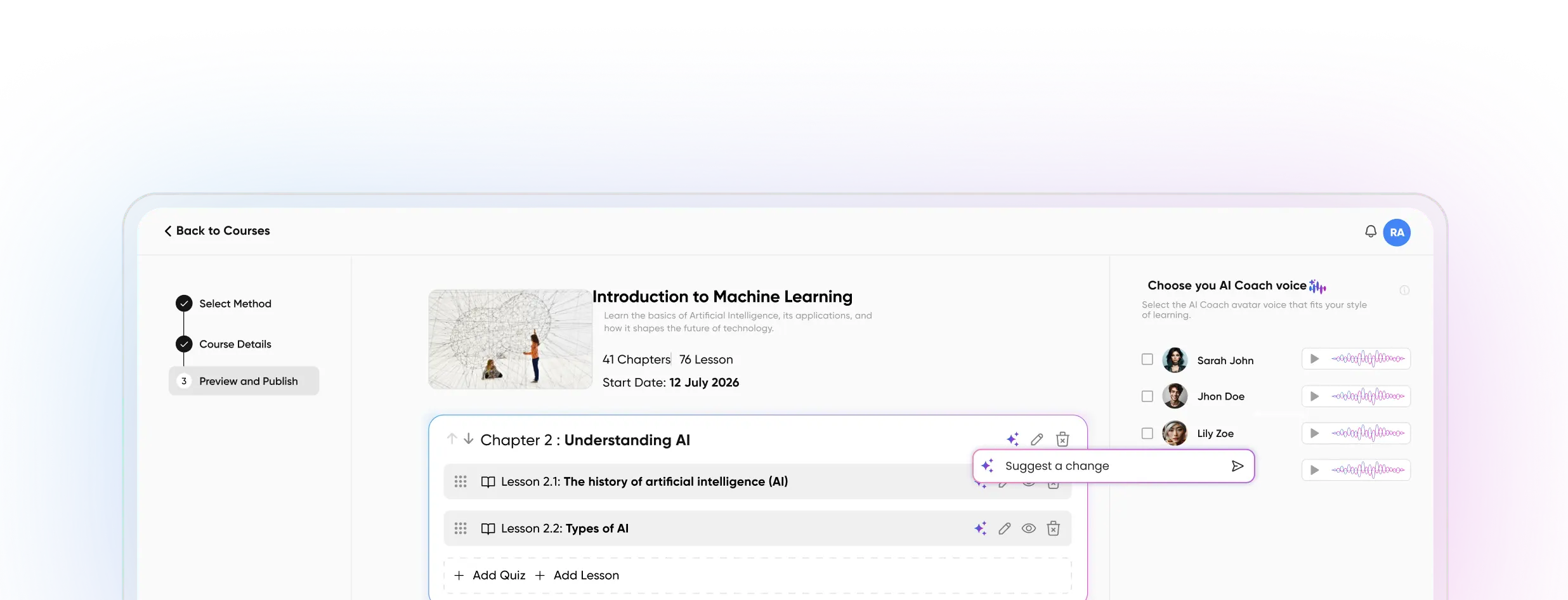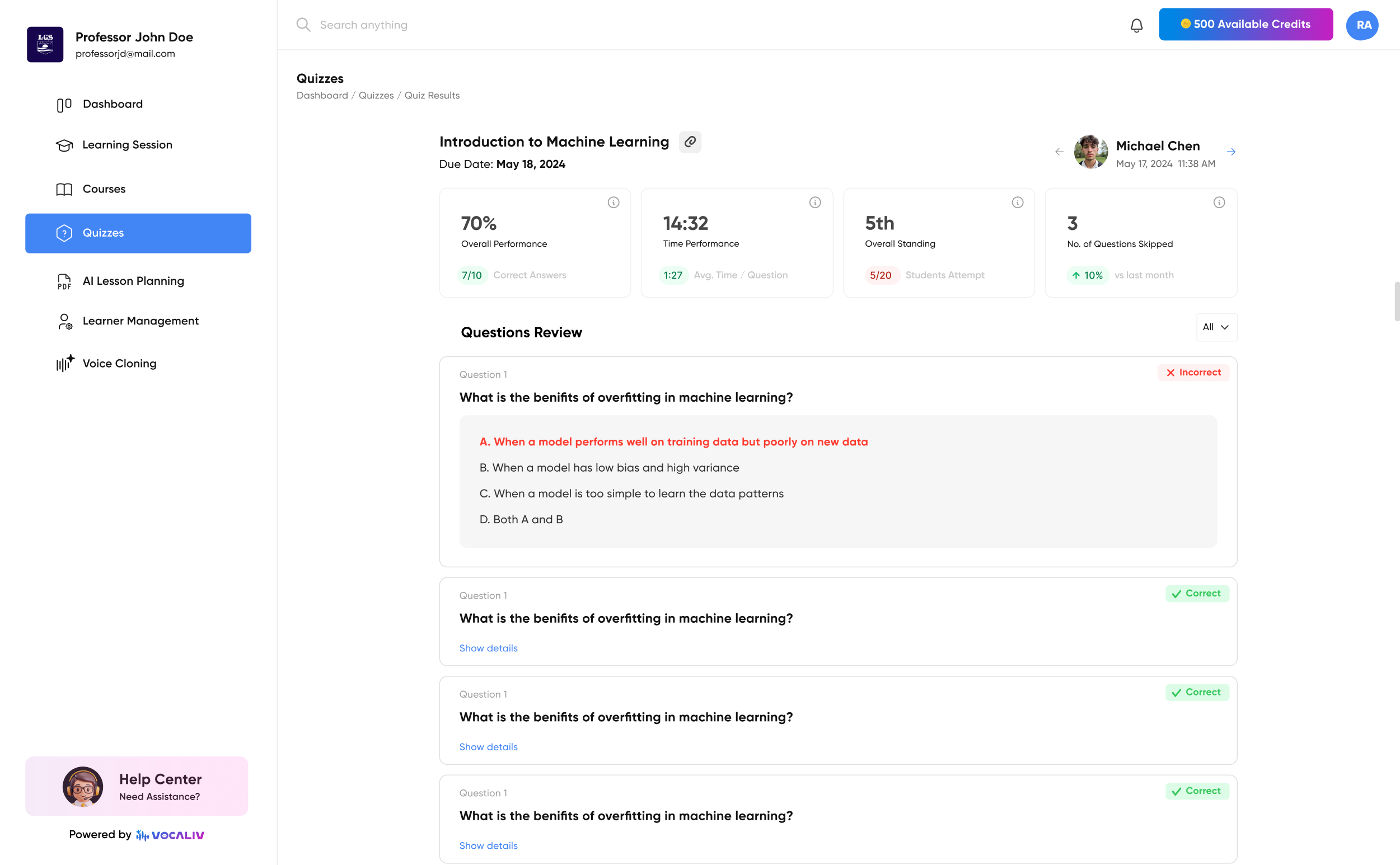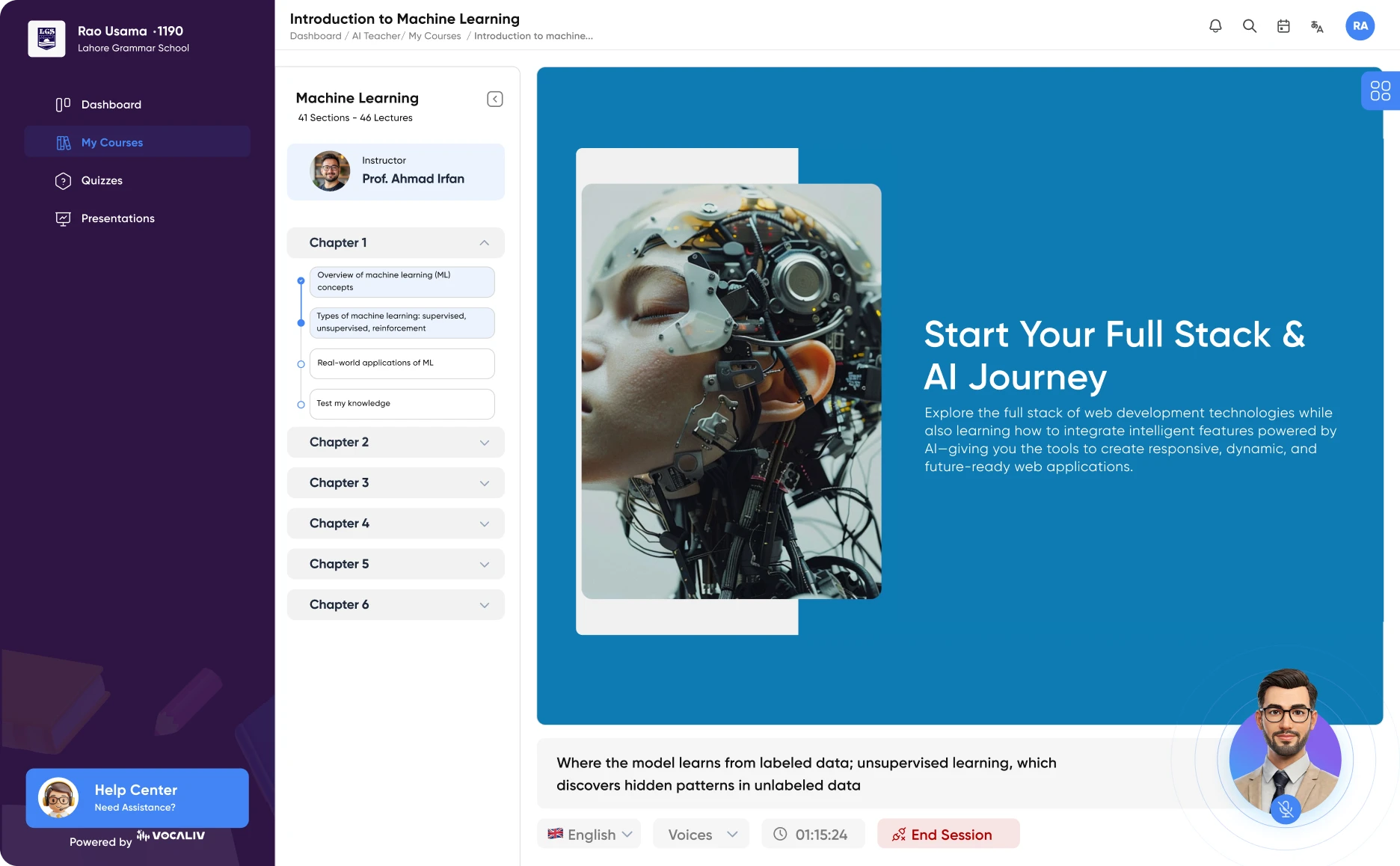
A ready-to-customize course that helps sales and business development teams turn market opportunities into qualified pipeline and lasting revenue. Adapt the examples, stages and metrics to your commercial model in Vocaliv.
Strong sales performance is not more outreach. Teams need to know which accounts deserve attention, how to uncover real needs and how to move deals forward without pressure or discounting.
This template gives you that system: eight practical modules from targeting to negotiation and account growth, ready to fill with your own products, buyer personas, sales stages and CRM fields.
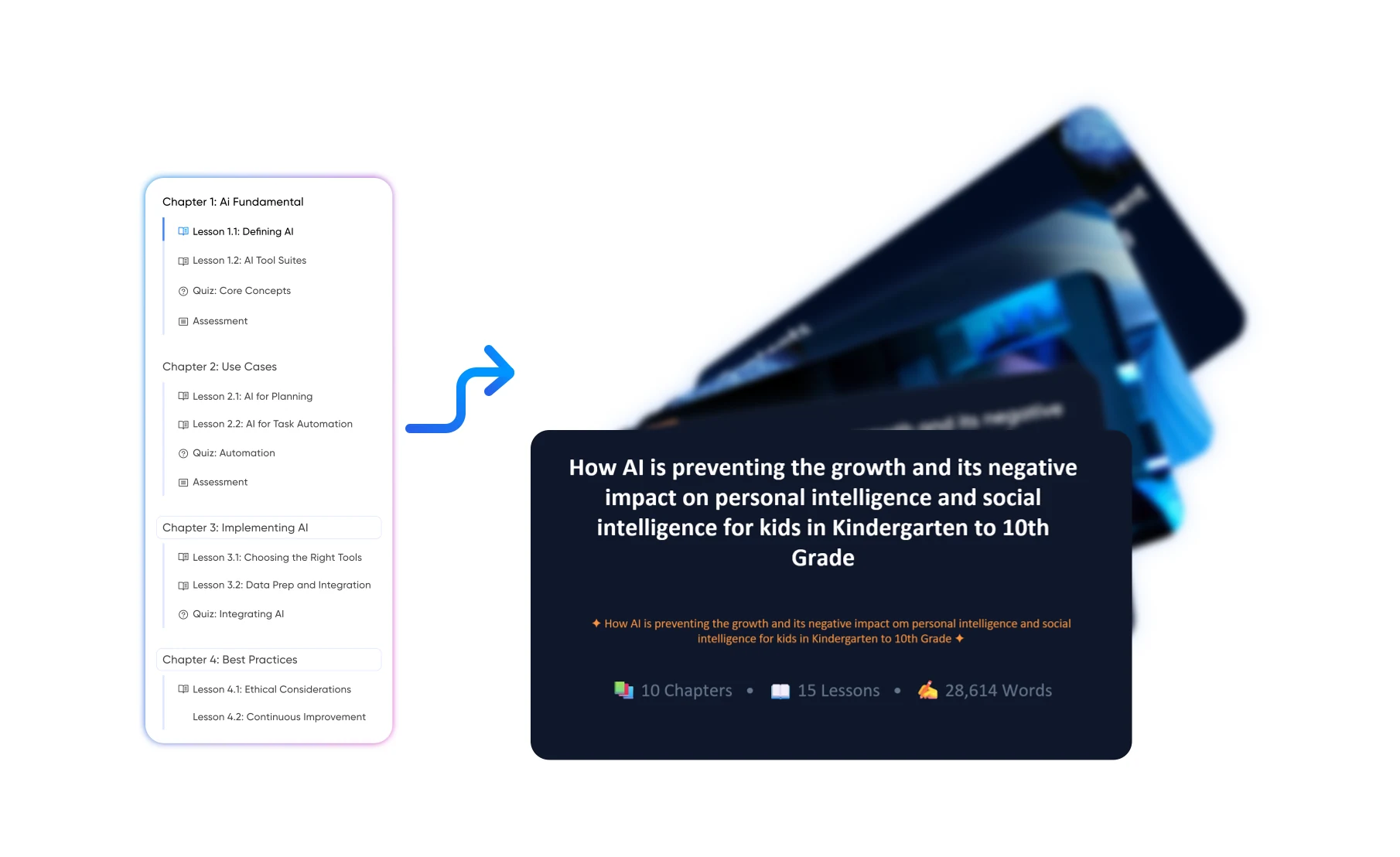
A suggested eight-module structure that can be adapted to your sales motion, market, customer segments, CRM process and business development priorities.
Introduce the difference between activity and strategy, connect sales and business development to company growth goals, and show learners how market focus, customer value, disciplined execution and relationship development work together to create sustainable opportunities.
Help learners define high-fit customer characteristics, identify priority segments, understand buying contexts and compare opportunities based on strategic fit, potential value, urgency, access and likelihood of progress.
Build a repeatable approach for researching organizations and decision-makers, identifying relevant triggers, selecting outreach channels and creating concise messages that connect a business problem to a credible reason for conversation.
Teach learners to ask purposeful questions, listen for business impact, clarify stakeholders and decision criteria, distinguish symptoms from underlying needs, and qualify opportunities before committing excessive time or resources.
Show learners how to connect capabilities to customer priorities, communicate differentiated value, translate features into business outcomes and build a clear case for change using relevant evidence, assumptions and next-step recommendations.
Help teams manage opportunities by stage, define meaningful next steps, maintain CRM hygiene, recognize stalled deals, prioritize follow-up and use pipeline information to support more realistic forecasting and resource decisions.
Prepare learners to explore objections rather than react defensively, protect value during commercial discussions, understand trade-offs, negotiate around priorities and guide qualified opportunities toward a clear decision and mutually understood next step.
Extend the sales mindset beyond the first deal. Cover account expansion, cross-functional relationship building, partner opportunities, referral potential, whitespace identification, post-sale learning and the use of performance data to improve future sales and business development decisions.
Give commercial teams a shared approach for choosing where to focus, creating better customer conversations and moving the right opportunities forward with discipline.
Help teams spend less time chasing every possible lead and more time on markets, accounts and buying situations that align with your value proposition and growth strategy.
Give sellers a practical way to uncover customer priorities, business impact, stakeholders, urgency and decision dynamics before jumping into a pitch.
Help teams connect products and services to meaningful customer outcomes instead of competing mainly on features, price or generic claims.
Use clearer stages, next-step discipline and opportunity review practices so teams can identify stalled deals, prioritize follow-up and improve forecast conversations.
Develop the skills to expand accounts, build strategic relationships, identify partnership opportunities and learn systematically from wins, losses and customer feedback.

By the end of the training, learners should be able to:
Use one core commercial framework, then emphasize the activities, decisions, metrics and customer situations that matter most for each sales or business development role.
| Audience | What to emphasize |
|---|---|
| SDRs / BDRs | ICP fit, account research, prospecting, outreach relevance, qualification, meeting creation, follow-up discipline and clean handoff to the next sales stage. |
| Account executives / sales reps | Discovery, stakeholder mapping, qualification, value proposition, opportunity strategy, objections, negotiation, next-step discipline and closing. |
| Business development / partnerships | Market expansion, strategic accounts, ecosystem mapping, partner selection, relationship development, opportunity creation, channels and long-term commercial potential. |
| Sales managers / leaders | Segmentation, pipeline health, coaching, deal inspection, forecasting, conversion metrics, resource prioritization, sales process consistency and performance improvement. |
| Founders / SME commercial leads | Repeatable sales motion, founder-led selling transition, target-market focus, customer feedback, pipeline visibility, pricing discipline and scalable growth priorities. |
Start with the core training structure, then replace examples with your own customer profiles, sales process, messaging, account plans, pipeline stages and commercial scenarios.

Add your ideal customer profile, priority segments, buyer personas, qualification criteria, CRM stages, handoff rules, commercial policies and definitions of a healthy opportunity.
Turn common objections, stalled-deal patterns, account research tasks, discovery challenges, negotiation situations and partnership opportunities into practical exercises for your team.
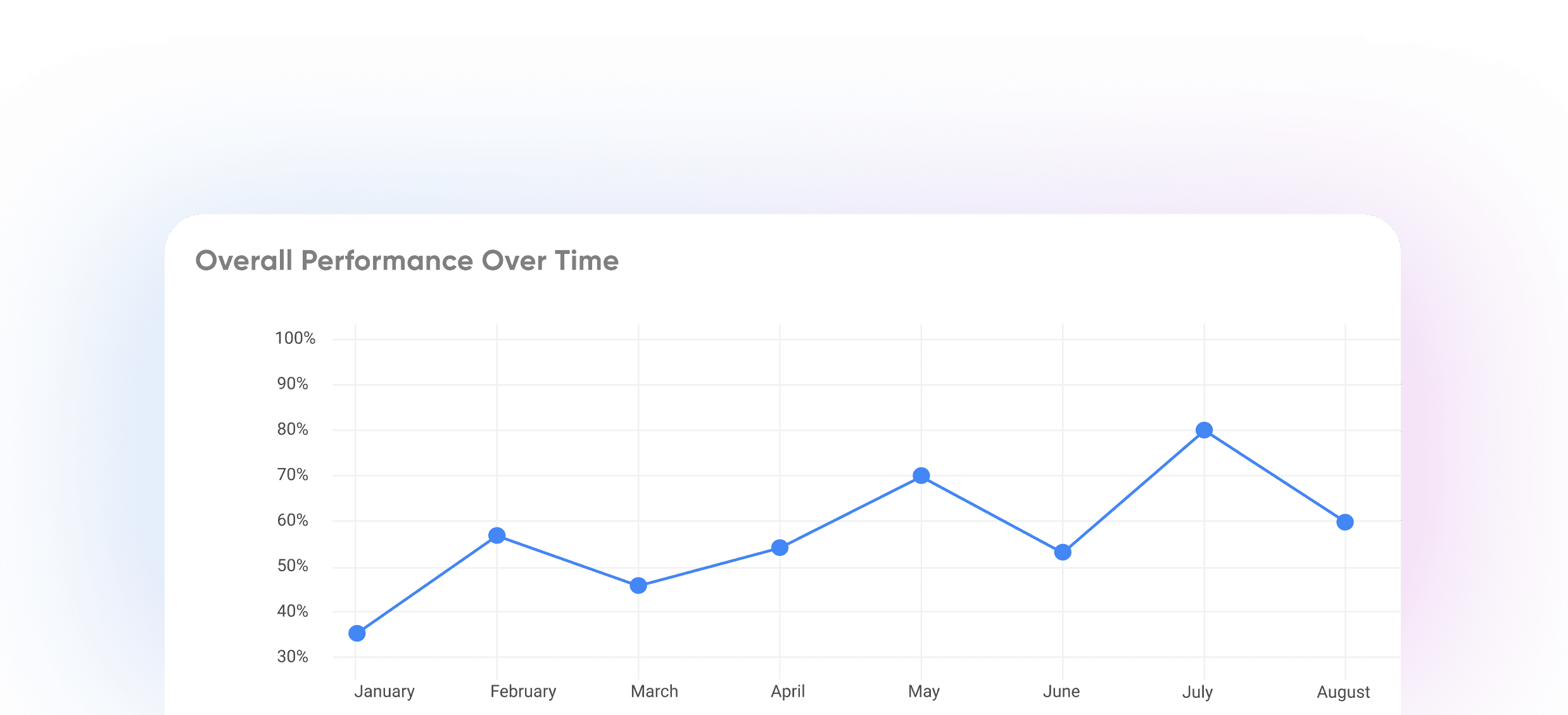
Create short assessments around ICP fit, qualification, discovery, value positioning, pipeline management, negotiation choices, account strategy and sales metrics.
Prepare an instructor-led version for onboarding, sales kickoffs, manager coaching, business development workshops, account-planning sessions or quarterly skill refreshers.
Let learners ask questions based on the approved course content and use the AI Coach to reinforce concepts, prompts and decision frameworks. Live pricing decisions, contractual commitments and customer-specific approvals should remain with the appropriate commercial owner.
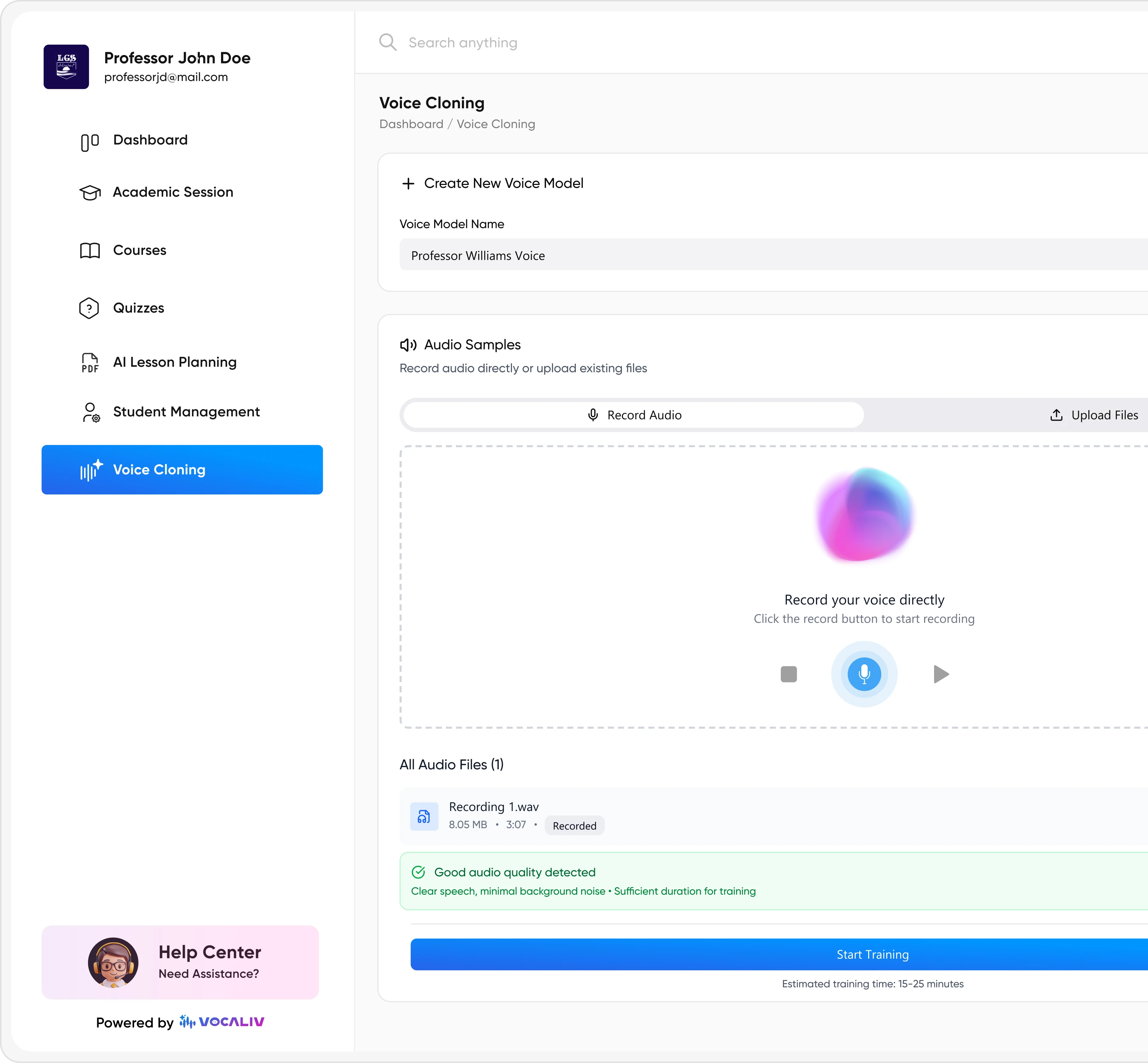
Where appropriate, voice cloning can help deliver AI-assisted course content in a familiar sales leader, enablement manager, founder or trainer voice.
Start with a structured strategic sales and business development template, add your own buyer profiles, sales stages, account scenarios and commercial playbook, and give teams a practical framework for creating and progressing better opportunities.