Give employees a clear, practical framework for responding to common workplace emergencies while professional help is being arranged. Use this ready-to-customize training template to cover scene safety, emergency activation, casualty assessment, CPR/AED awareness, severe bleeding, choking, burns, sudden illness and incident reporting - then add your own emergency contacts and equipment locations in Vocaliv.
In the first minutes of an emergency, people often need a simple sequence they can remember under pressure: check that the scene is safe, assess the person, activate emergency help and provide care that matches the situation and their training.
This template provides a practical foundation for basic first aid and workplace emergency response. It covers the role and limits of a first-aid responder, scene safety and personal protection, initial assessment and emergency activation, unresponsive casualties, CPR and AED awareness, severe bleeding and shock, choking, burns and common injuries, sudden illness, recovery and monitoring, incident reporting and site emergency readiness.
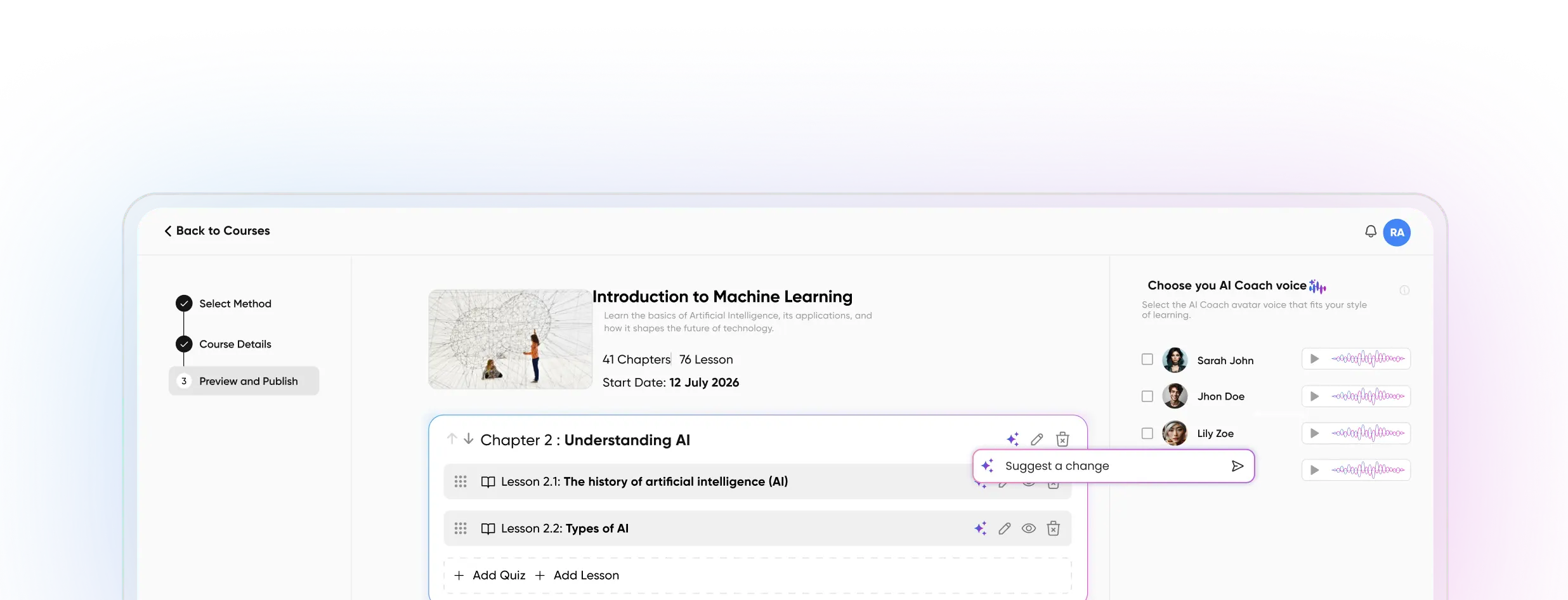
A suggested eight-module structure that can be adapted to your workplace risks, workforce, emergency arrangements and local first-aid requirements.
Introduce the purpose of first aid, the limits of the responder role and the importance of protecting yourself, the casualty and bystanders before approaching. Cover hazard awareness, use of appropriate personal protective equipment, consent where applicable and the principle of not taking actions beyond your training or local procedure.
Give learners a simple framework for checking responsiveness, breathing and obvious life-threatening conditions, calling the local emergency number, sending someone for first-aid equipment or an AED, and providing clear information to responders. Reinforce that emergency dispatchers and qualified responders should guide actions when the situation is uncertain.
Help learners understand what to do when a person is unresponsive, including checking for normal breathing, activating emergency help and monitoring the person. Introduce the recovery position for an appropriately breathing casualty when suitable, while emphasizing that suspected spinal injury, trauma or other special circumstances should be managed according to accredited training and local guidance.
Explain why immediate cardiopulmonary resuscitation and early use of an automated external defibrillator can be critical when a person is unresponsive and not breathing normally. Keep detailed CPR and AED technique aligned to current accredited first-aid or resuscitation training, local protocols and practical skills assessment rather than treating online content alone as proof of competency.
Teach learners to recognize life-threatening bleeding, activate emergency help, use appropriate protective measures and apply approved bleeding-control techniques within their training. Introduce the signs of shock, the importance of monitoring and the need for urgent escalation. Keep tourniquet, wound-packing and specialist techniques limited to settings where they are included in accredited training and workplace protocols.
Build awareness around recognizing a severe airway obstruction, responding to choking according to current first-aid guidance, cooling burns appropriately and protecting injured areas. Include common injuries such as suspected fractures, sprains or eye injuries at a high level, with clear reminders not to improvise treatment or move a casualty unnecessarily when serious injury is suspected.
Help learners recognize that sudden illness can require urgent medical help even when there is no obvious injury. Cover high-level recognition and response for events such as seizures, stroke symptoms, severe allergic reactions, breathing difficulty, diabetic emergencies or chest pain, focusing on early emergency activation, monitoring and following the person's prescribed emergency plan or medication only within training and local policy.
Bring the course together by showing learners how first aid fits into the wider emergency plan: knowing who the trained first aiders are, where kits and AEDs are located, how to summon site support, how to guide emergency services, how to document incidents factually and how to replenish equipment and review lessons after an event.
Give employees a simple, memorable response framework so they can act safely and quickly while trained responders or emergency services are on the way.
Help employees remember the basic priorities: make the scene safe, assess the person, call for help and provide care that matches their training.
Ensure staff know the local emergency number, site contacts, location details and what information responders may need when time matters.
Introduce practical response principles for unconsciousness, cardiac arrest, severe bleeding, choking, burns and sudden illness without encouraging employees to work beyond their competence.
Link first aid to AEDs, first-aid kits, designated responders, evacuation arrangements, site hazards, access routes and internal incident procedures.
Teach employees to communicate what happened, what they observed and what care was provided so emergency personnel receive useful, factual information.

By the end of the training, learners should be able to:
Use one core first-aid template, then emphasize the hazards, equipment, emergency routes and level of responsibility each audience is likely to encounter.
| Audience | What to emphasize |
|---|---|
| General office / administrative staff | Scene safety, emergency activation, unresponsiveness, AED awareness, choking, common injuries, sudden illness, kit and AED locations, internal contacts and incident reporting. |
| Designated workplace first aiders | Full accredited practical competencies required for the role, local protocols, CPR and AED skills, bleeding control, casualty assessment, documentation, equipment checks and handover to emergency services. |
| Supervisors / managers | Activating the site response, directing staff, summoning trained first aiders, access for emergency services, protecting the scene, documentation, post-incident support and review. |
| Higher-hazard / manual work teams | Hazard-specific emergency scenarios, major bleeding, burns, crush or trauma awareness, eye injuries, remote access challenges, equipment isolation and when not to move a casualty. |
| Lone / remote / mobile workers | Communication plans, location sharing, emergency numbers, first-aid kit readiness, delayed-response contingencies, personal safety, remote escalation and limits of self-care. |
Start with the core first-aid structure, then replace generic guidance with your emergency numbers, site arrangements, trained-responder roles, equipment locations and workplace-specific scenarios.

Add your local emergency number, internal alarm or security process, first-aider contacts, AED and kit locations, emergency access points, evacuation or muster information and incident-reporting procedure.
Use approved scenarios based on the hazards employees actually face - for example office, warehouse, construction, retail, manufacturing, hospitality, remote work or public-facing environments.
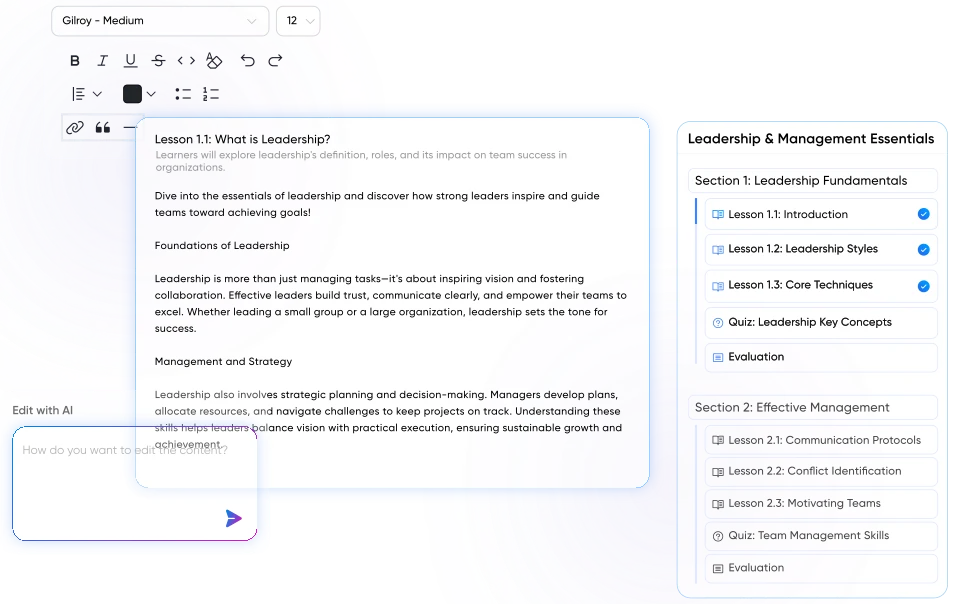
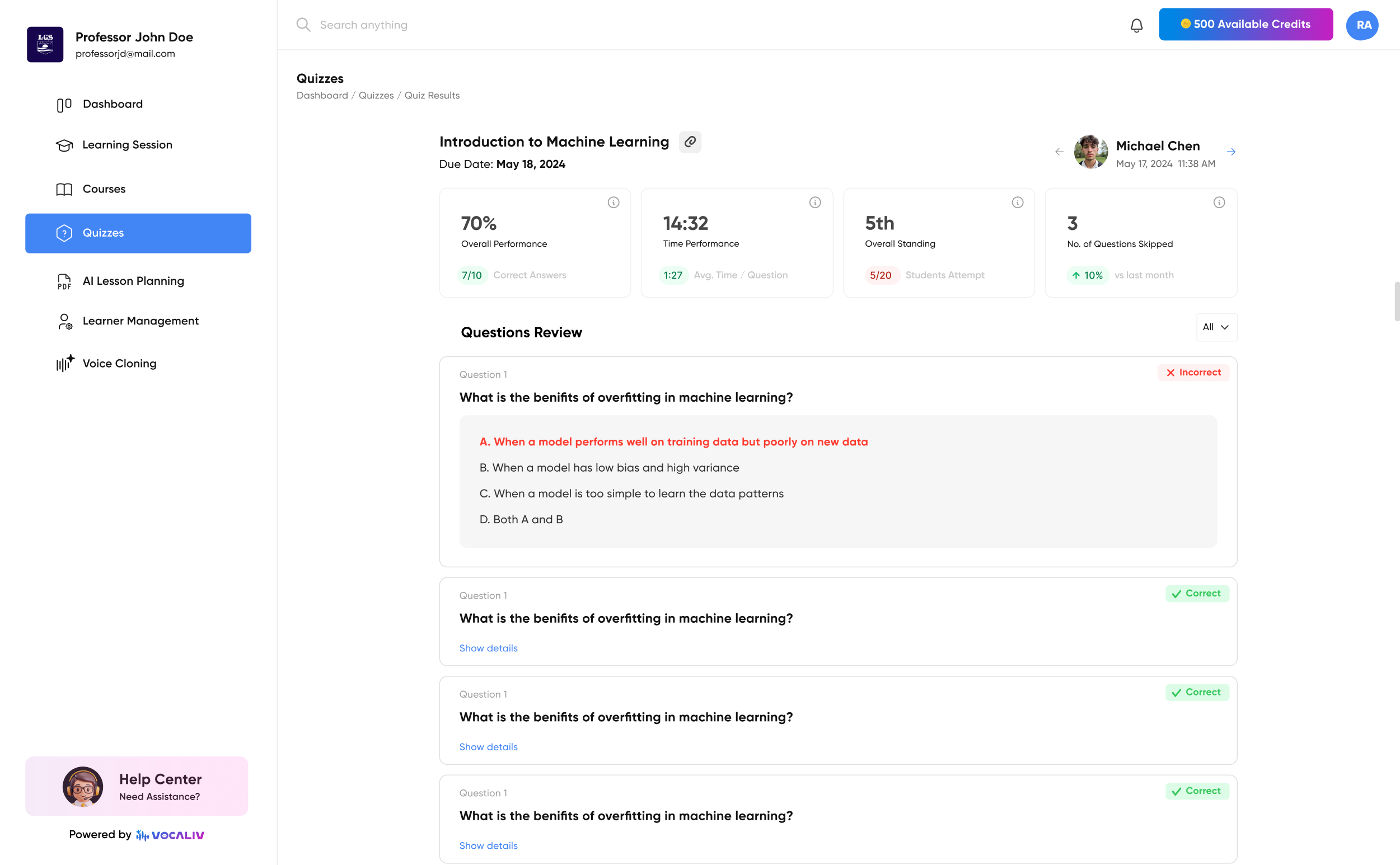
Create short assessments around scene safety, emergency activation, unresponsiveness, AED awareness, bleeding, choking, burns, sudden illness, handover and reporting.
Prepare an instructor-led version for employee induction, safety briefings, emergency-preparedness sessions or refresher awareness training.
Let learners ask questions based on the approved training content and workplace procedures you provide. The AI Coach can support learning and reinforcement, but it should never be used for live emergency direction, diagnosis, treatment decisions or as a substitute for emergency services or a qualified first-aid instructor.
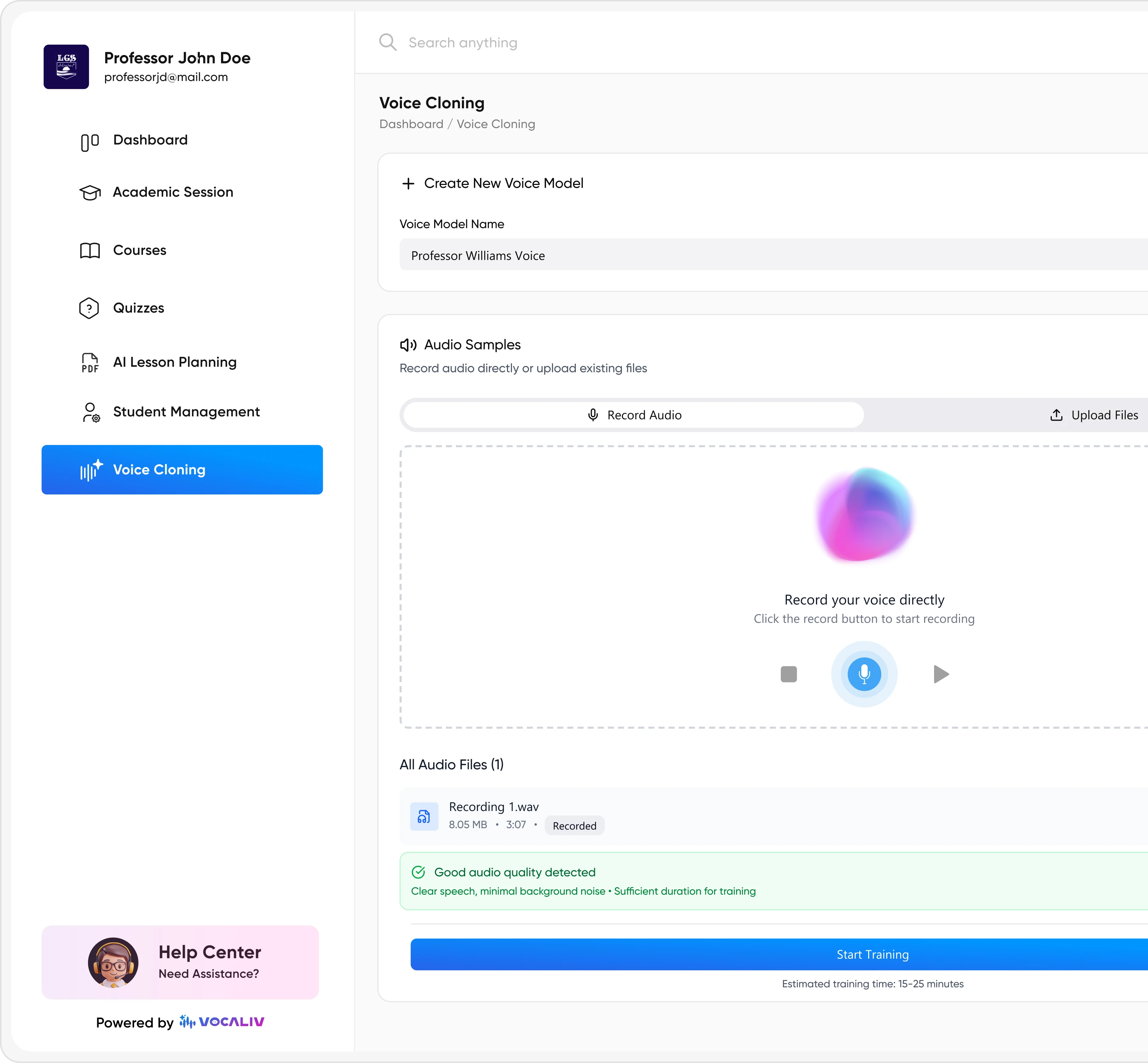
Where appropriate, voice cloning can help deliver AI-assisted course content in a familiar health-and-safety, first-aid or training facilitator voice.
Start with a structured first-aid and emergency-response template, add your own emergency contacts, equipment locations and workplace scenarios, and give employees a practical framework for recognizing risk, calling for help and responding safely.