Healthcare / Onboarding & Compliance Course Template

Healthcare Staff Onboarding Course Template

Give new clinical and non-clinical healthcare staff a structured introduction to patient safety, infection prevention, privacy, teamwork, workplace expectations and escalation routes. Use this ready-to-customize onboarding template to create a consistent first-day foundation, then adapt every policy, scenario, emergency process and role-specific requirement to your organization in Vocaliv.

Skills / Topics
  • Patient safety
  • Infection prevention
  • Privacy & confidentiality
  • Communication
  • Teamwork
  • Professional conduct
  • Workplace safety
  • Emergency response
  • Incident reporting
  • Escalation
Template Overview

Give every new healthcare worker a clearer foundation for safe, respectful and consistent work from day one.

Healthcare onboarding is more than paperwork and introductions. New staff need to understand how the organization keeps patients, visitors and employees safe; where to find approved procedures; how teams communicate; how confidential information is handled; and what to do when they notice a risk, error, concern or situation outside their role.

This template provides a practical foundation for healthcare staff onboarding across clinical and non-clinical roles. It covers organizational expectations and safety culture, patient safety and speaking up, infection prevention, privacy and information handling, communication and teamwork, workplace safety and emergency readiness, incident and concern reporting, safeguarding awareness, professional boundaries and the transition into role-specific learning.

Structure
8 modules
Audiences
5 healthcare roles
Scope
Patient safety, privacy & escalation
Delivery
Fully customizable in Vocaliv
What's Included

What's Included in This Training Template

A suggested eight-module structure that can be adapted to your healthcare setting, workforce, policies, patient population and local regulatory requirements.

  1. Module 1

    Welcome, Role Clarity & Safety Culture

    Introduce the organization, values, patient and service commitments, role boundaries, expected professional behavior and how safety is everyone's responsibility. Show learners where to find policies, supervision and support, and reinforce that they should ask before performing unfamiliar or unauthorized tasks.

  2. Module 2

    Patient Safety, Quality & Speaking Up

    Build a practical understanding of patient safety, human factors, checks, escalation and the importance of raising concerns. Help staff recognize that errors and near misses should be reported through approved channels so risks can be addressed and learning can occur.

  3. Module 3

    Infection Prevention & Standard Precautions

    Introduce the organization's infection-prevention expectations, including hand hygiene, respiratory hygiene, appropriate use of PPE, environmental cleanliness, safe handling of equipment or materials and additional precautions where applicable. Keep all examples aligned to current local policy and role-specific training.

  4. Module 4

    Privacy, Confidentiality & Responsible Information Handling

    Explain expectations for accessing, viewing, discussing, storing and sharing patient, employee and organizational information. Cover minimum-necessary access, secure systems, approved communication channels, privacy in shared spaces and what to do after suspected loss, disclosure or unauthorized access.

  5. Module 5

    Communication, Teamwork & Patient-Centred Interaction

    Introduce respectful communication with patients, families and colleagues, clear handoffs, closed-loop communication, asking clarifying questions and escalating uncertainty. Reinforce cultural respect, accessibility, appropriate boundaries and the need to stay within role and competence.

  6. Module 6

    Workplace Safety, Emergencies & Personal Security

    Orient staff to the facility's safety rules, emergency alerts or codes, evacuation routes, assembly points, first-aid or occupational-health arrangements, violence or security procedures, reporting routes and the workplace hazards relevant to their role or area.

  7. Module 7

    Incident Reporting, Safeguarding & Escalation

    Show staff how to raise patient-safety events, near misses, privacy incidents, workplace injuries, safeguarding concerns or other risks using approved processes. Emphasize prompt escalation, factual reporting, protection of confidentiality and the importance of not investigating beyond their role.

  8. Module 8

    Role-Specific Readiness, Boundaries & Ongoing Learning

    Bring the onboarding together with a readiness check: confirm mandatory orientation is complete, identify remaining role-specific training or competency validation, clarify supervision and escalation contacts, and create a short action plan for continued learning during the first weeks and months.

Why Your Healthcare Workforce Needs Structured Onboarding

Give new staff a consistent starting point for safety, teamwork and organizational expectations while making role boundaries and escalation routes clear from the beginning.

Create a consistent safety baseline

Give clinical, administrative and support staff a shared introduction to patient safety, infection prevention, privacy, emergency arrangements, professional conduct and reporting expectations.

Reduce uncertainty during the first days and weeks

Help new staff understand where to find approved information, who to ask, what requires supervision and when an unfamiliar situation should be paused and escalated.

Reinforce patient safety and speaking-up expectations

Make it clear that staff should raise concerns, near misses and unexpected risks promptly through the organization's approved channels.

Strengthen infection-prevention and privacy awareness

Introduce the behaviors, systems and local procedures that protect patients, staff and confidential information before role-specific practice begins.

Improve teamwork and communication across roles

Create a common foundation for respectful communication, handoffs, clarifying questions, role boundaries and collaboration between clinical and non-clinical teams.

A clinician in a white coat working through a safety and compliance checklist on screen, each item ticked off beside a protective shield
Learning Outcomes

What learners will be able to do

By the end of the training, learners should be able to:

  • Explain their role in supporting patient, visitor and workforce safety and identify where to find approved organizational policies, procedures and contacts.
  • Recognize situations that require them to pause, seek clarification, use supervision or escalate rather than acting outside their training, competence or authorization.
  • Apply the organization's foundational infection-prevention expectations, including hand hygiene, PPE and other standard or additional precautions relevant to their role.
  • Handle patient, employee and organizational information using approved systems and confidentiality practices and report suspected privacy or security incidents appropriately.
  • Use respectful, clear communication and teamwork behaviors, including asking clarifying questions, confirming understanding and escalating patient-safety concerns.
  • Identify key workplace emergency, security, incident-reporting and occupational-health arrangements relevant to their location and role.
  • Describe the next steps in their role-specific onboarding, including required training, supervision, competency validation, mandatory learning and who to contact when they need help.
Customize by Role

Customize the Training by Healthcare Role

Use one core onboarding template, then emphasize the patient contact, information access, safety risks, supervision and competency requirements each workforce group is most likely to encounter.

AudienceWhat to emphasize
Clinical staffPatient-safety systems, role-specific infection prevention, documentation and confidentiality, communication and handoff expectations, escalation, clinical supervision, competency validation and local emergency processes.
Non-clinical patient-facing staffPatient interaction, privacy in public areas, wayfinding and access, recognizing and escalating concerns, infection-prevention expectations, security procedures and clear role boundaries.
Administrative / back-office staffConfidential information handling, approved systems, access controls, phishing and data-security awareness, professional conduct, incident reporting and how administrative processes connect to safe care.
Facilities / housekeeping / catering / support servicesEnvironmental safety, infection-prevention procedures relevant to the role, chemicals or equipment, waste handling where applicable, patient-area awareness, PPE, emergency arrangements and escalation.
Agency / contract / temporary staffLocal orientation, access and identification, host policies, role boundaries, supervision contacts, site-specific infection-prevention and emergency procedures, reporting routes and any competency or credential requirements.
Customize With Vocaliv

Customize This Healthcare Staff Onboarding Template With Vocaliv

Start with the core onboarding structure, then replace generic guidance with your real healthcare policies, facility procedures, contacts, emergency arrangements, staff expectations and role-specific learning pathways.

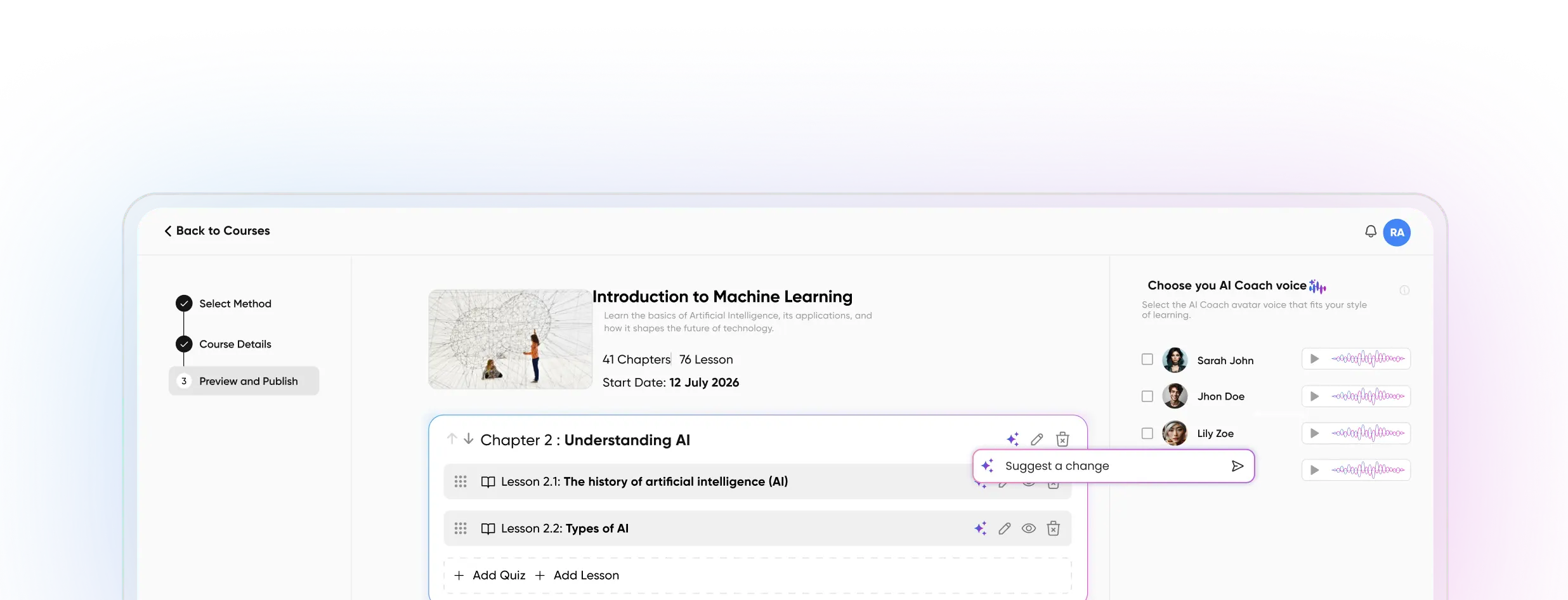
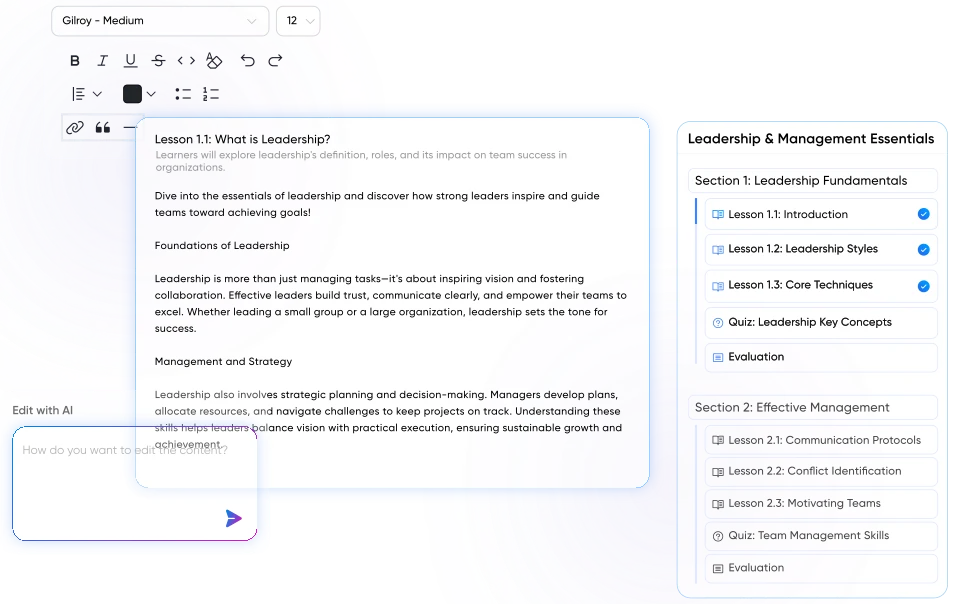
The Vocaliv course editor with the template's modules being rewritten around the organization's patient-safety framework, privacy rules and escalation routes
1

Align the course to your healthcare policies and onboarding standards

Add your organizational values, patient-safety framework, infection-prevention guidance, privacy rules, professional standards, emergency procedures, safeguarding routes, reporting processes and mandatory-learning requirements.

2

Add site-specific visuals, maps and realistic healthcare scenarios

Use approved floor plans, department maps, access guidance, emergency information, anonymized case themes and recurring onboarding questions to make the course relevant to the actual workplace.

3

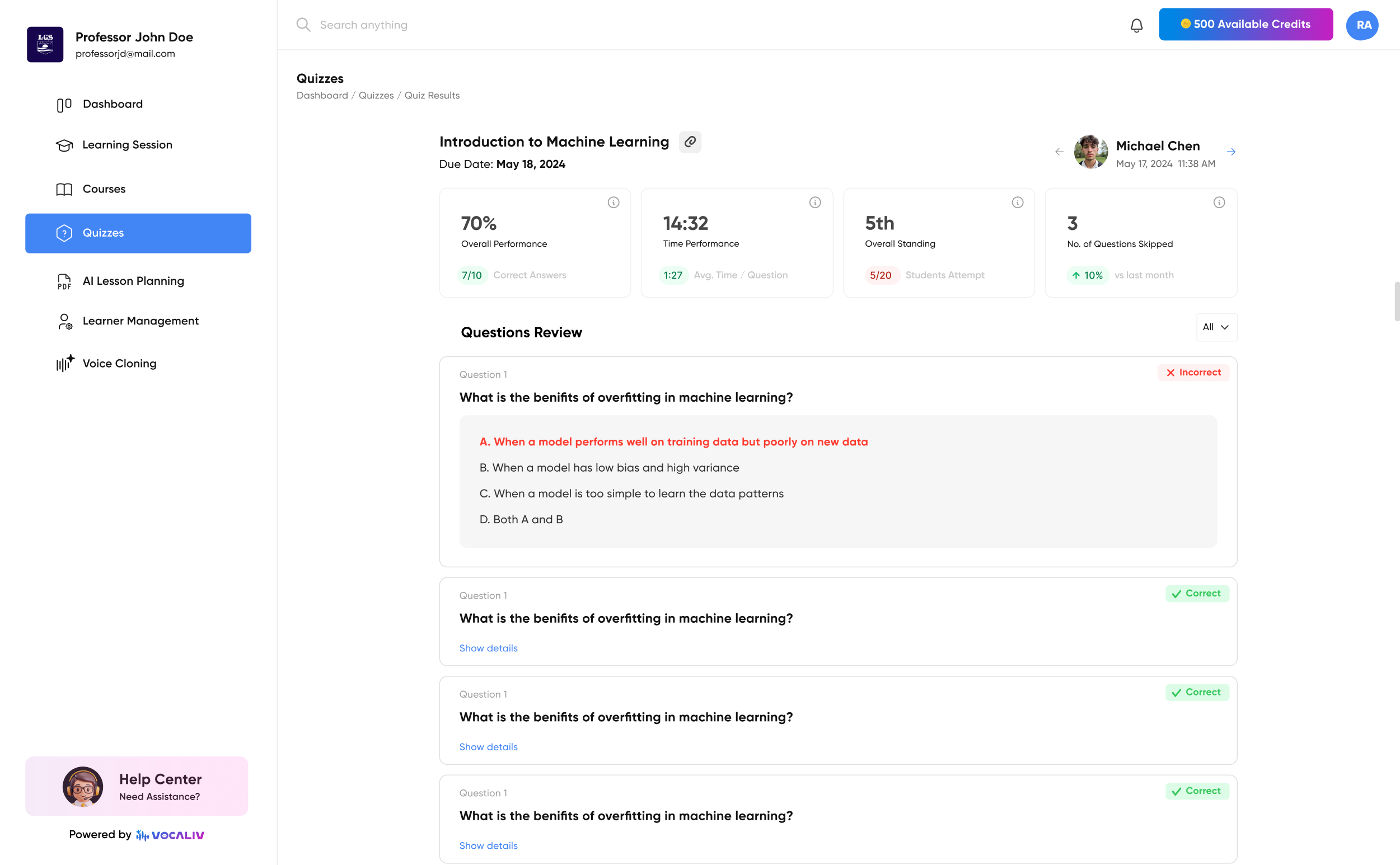
Generate knowledge checks and onboarding practice

Create short assessments around patient safety, infection prevention, privacy, communication, role boundaries, emergencies, incident reporting and escalation.

4

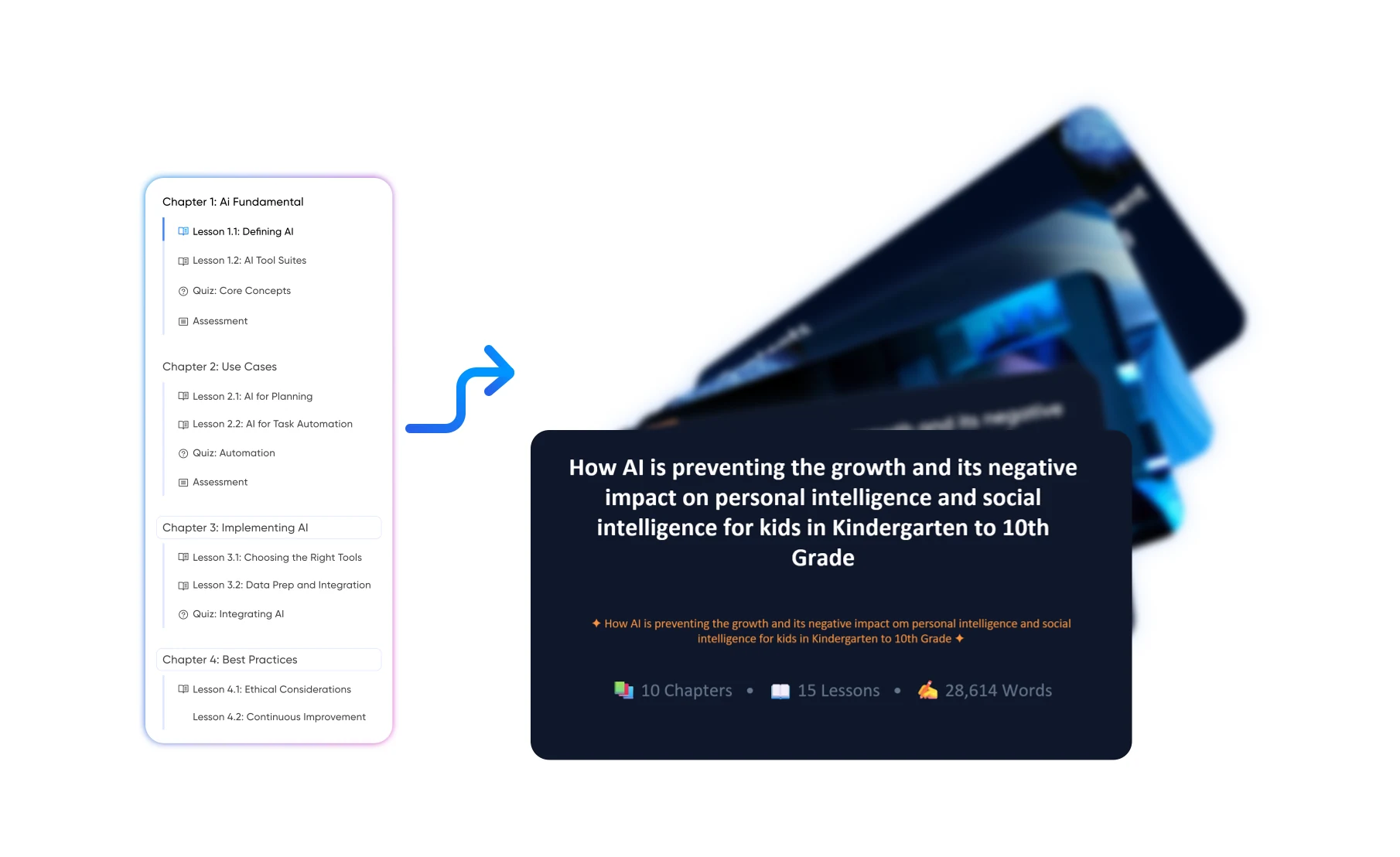
Turn the onboarding into presentation-ready slides

Prepare an instructor-led version for orientation days, cohort onboarding, department induction, agency-worker briefings or role-specific learning sessions.

5

Use Vocaliv AI Coach where appropriate

Let learners ask questions based on the approved onboarding content and policies you provide. The AI Coach can support learning and reinforcement, while live clinical decisions, emergencies, diagnosis, treatment, safeguarding decisions and policy exceptions remain with qualified staff and the appropriate internal owner.

6

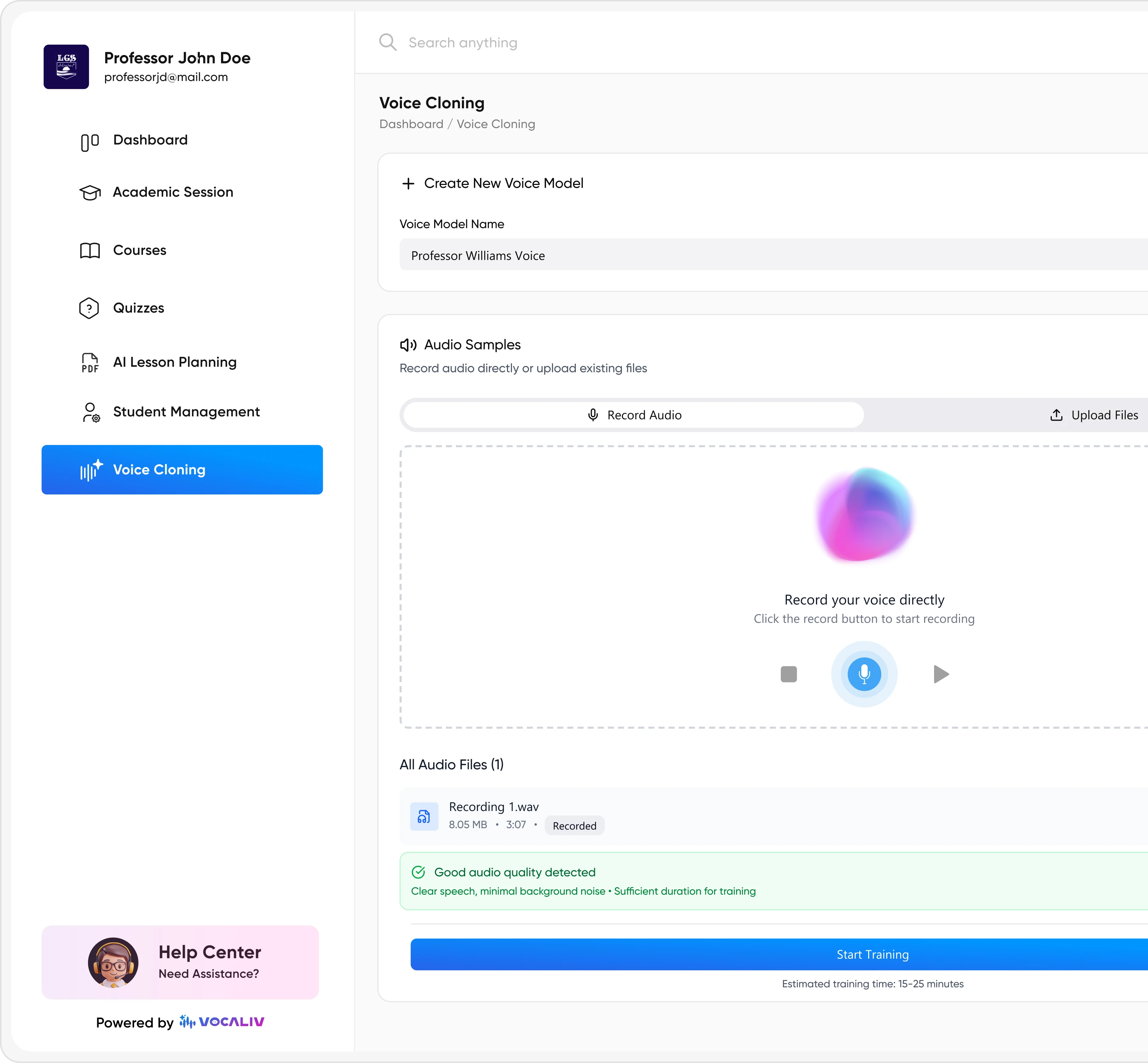
Use your trainer's voice

Where appropriate, voice cloning can help deliver AI-assisted onboarding content in a familiar clinical educator, HR, quality, infection-prevention or training facilitator voice.

FAQ

Frequently Asked Questions

Give New Healthcare Staff a Safer, Clearer Start

Start with a structured healthcare onboarding template, add your real policies, patient-safety practices, facility procedures and role-specific expectations, and give every new team member a clearer path from orientation to confident, supervised practice.

Chat with us 👋