Leadership & Management Course Template

Coaching, Feedback & Performance Management Template

Help managers turn performance management into an ongoing rhythm of clear expectations, useful coaching, timely feedback and consistent follow-through. Use this ready-to-customize course template to build skills in goal setting, coaching conversations, specific feedback, recognition, performance reviews, underperformance conversations and development planning - then adapt the tools and scenarios to your organization in Vocaliv.

Skills / Topics
  • Goal setting
  • Clear expectations
  • Coaching conversations
  • Active listening
  • SBI feedback
  • Recognition
  • Performance reviews
  • Underperformance
  • Development planning
  • Accountability
Template Overview

Turn everyday manager conversations into clearer expectations, stronger development and more consistent follow-through.

Performance management works best when it is not saved for a single annual review. Managers need practical ways to set expectations, notice progress, give feedback, coach through challenges and address performance issues early. When these conversations happen regularly, employees have a clearer view of what good performance looks like and what they can do next.

This template provides a practical foundation for coaching, feedback and performance management. It covers expectations and goals, coaching conversations, specific feedback, recognition, performance reviews, development planning, underperformance and follow-through.

Structure
8 modules
Audiences
5 manager tracks
Scope
Goals, coaching, feedback & reviews
Delivery
Fully customizable in Vocaliv
What's Included

What's Included in This Training Template

A suggested eight-module structure that can be adapted to your performance framework, manager expectations, workforce and people-management processes.

  1. Module 1

    Performance Management as an Ongoing Manager Practice

    Introduce performance management as a continuous cycle of expectations, support, observation, feedback, development and accountability - not simply an annual form or rating. Clarify the manager's role and the employee's responsibility for discussing progress and improvement.

  2. Module 2

    Setting Clear Goals, Priorities & Performance Expectations

    Help managers translate team priorities into clear outcomes, responsibilities, standards and measures. Practice checking understanding, agreeing priorities and updating goals when business needs change instead of assuming expectations are obvious.

  3. Module 3

    Coaching Conversations That Build Ownership

    Build coaching habits that help employees think through problems, options and next steps. Practice asking useful questions, listening without immediately solving the problem, clarifying the desired outcome and balancing employee ownership with appropriate manager direction.

  4. Module 4

    Giving Specific, Actionable Feedback

    Teach managers to base feedback on specific situations and observable behavior, explain impact, invite dialogue and agree what should continue or change. Introduce a simple Situation-Behavior-Impact structure and reinforce that feedback can be both reinforcing and corrective.

  5. Module 5

    Recognition, Strengths & Reinforcing Good Performance

    Show managers how timely recognition can reinforce useful behaviors, progress and contribution. Encourage specific recognition linked to results, behaviors or team impact rather than vague praise, and connect strong performance to future development opportunities.

  6. Module 6

    Performance Reviews & Development Conversations

    Prepare managers to review progress against goals, discuss achievements and challenges, gather the employee's perspective, identify development priorities and agree next steps. Emphasize that formal reviews should summarize an ongoing dialogue rather than introduce unexpected feedback.

  7. Module 7

    Addressing Underperformance & Difficult Performance Conversations

    Help managers raise concerns early using clear examples, restate expectations, listen for barriers or context and distinguish between skill, clarity, resource, motivation and conduct issues without jumping to conclusions. Reinforce when HR or another internal owner should be involved.

  8. Module 8

    Action Plans, Documentation & Follow-Through

    Bring the process together by turning conversations into clear actions, support, timelines, check-ins and documentation. Help managers track commitments, recognize improvement, adjust support and escalate formal performance processes in line with organizational policy when required.

Why Your Managers Need Coaching, Feedback & Performance Management Training

Give managers a practical system for helping people understand expectations, improve performance and take more ownership of development.

Make expectations visible and easier to manage

Help managers translate broad role responsibilities into clear priorities, standards, outcomes and measures employees can understand.

Turn feedback into a regular management habit

Give managers a repeatable way to discuss observed performance while the information is still useful rather than waiting for a formal review.

Use coaching to build capability and ownership

Help managers ask better questions, listen for the employee's thinking and support problem-solving without taking over every decision.

Address performance issues earlier

Give managers a structured way to raise concerns, clarify the gap, explore barriers and agree next steps before problems become harder to resolve.

Make reviews more consistent and less surprising

Connect formal reviews to goals, prior conversations, specific examples and development plans so the review summarizes an ongoing process.

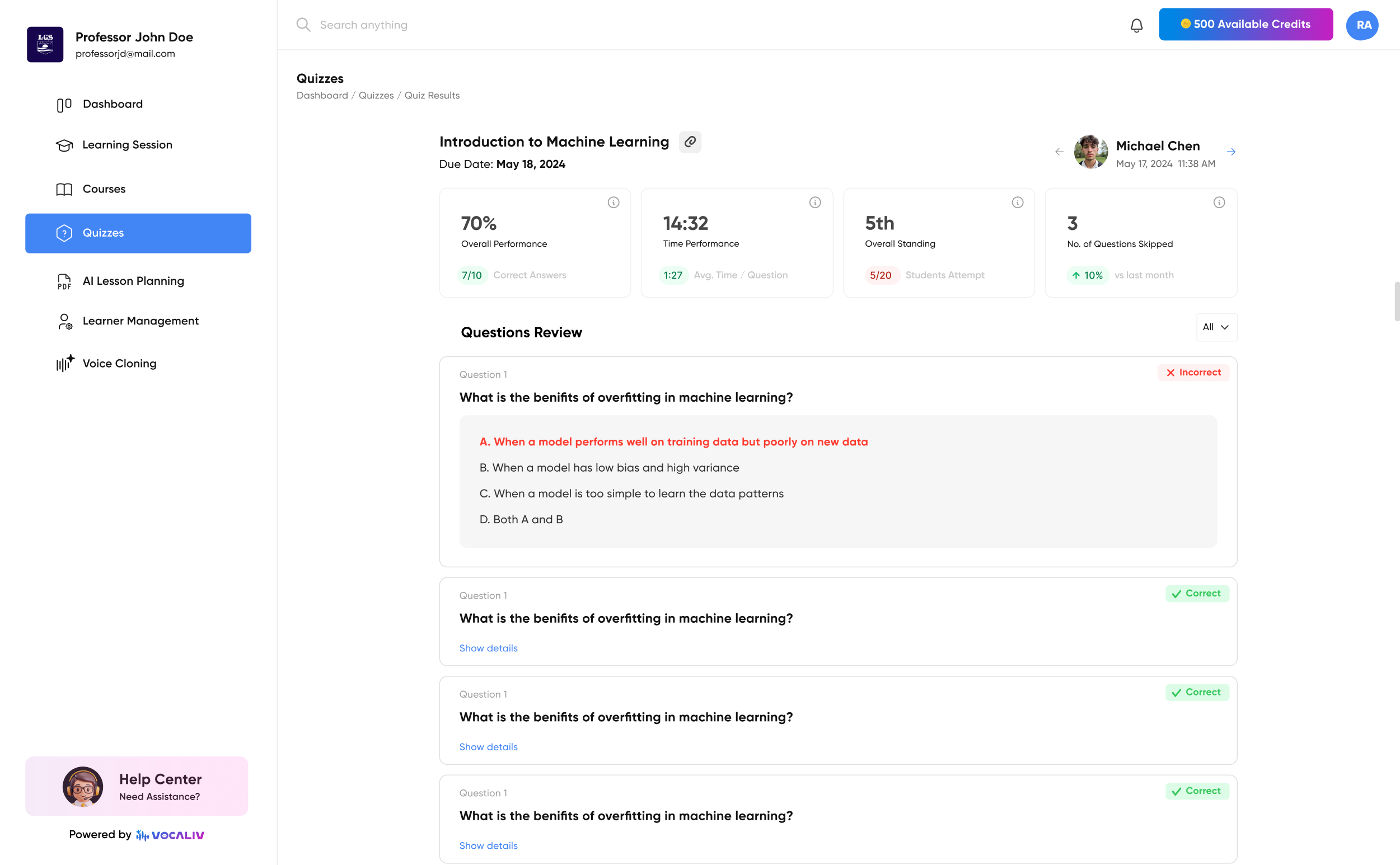
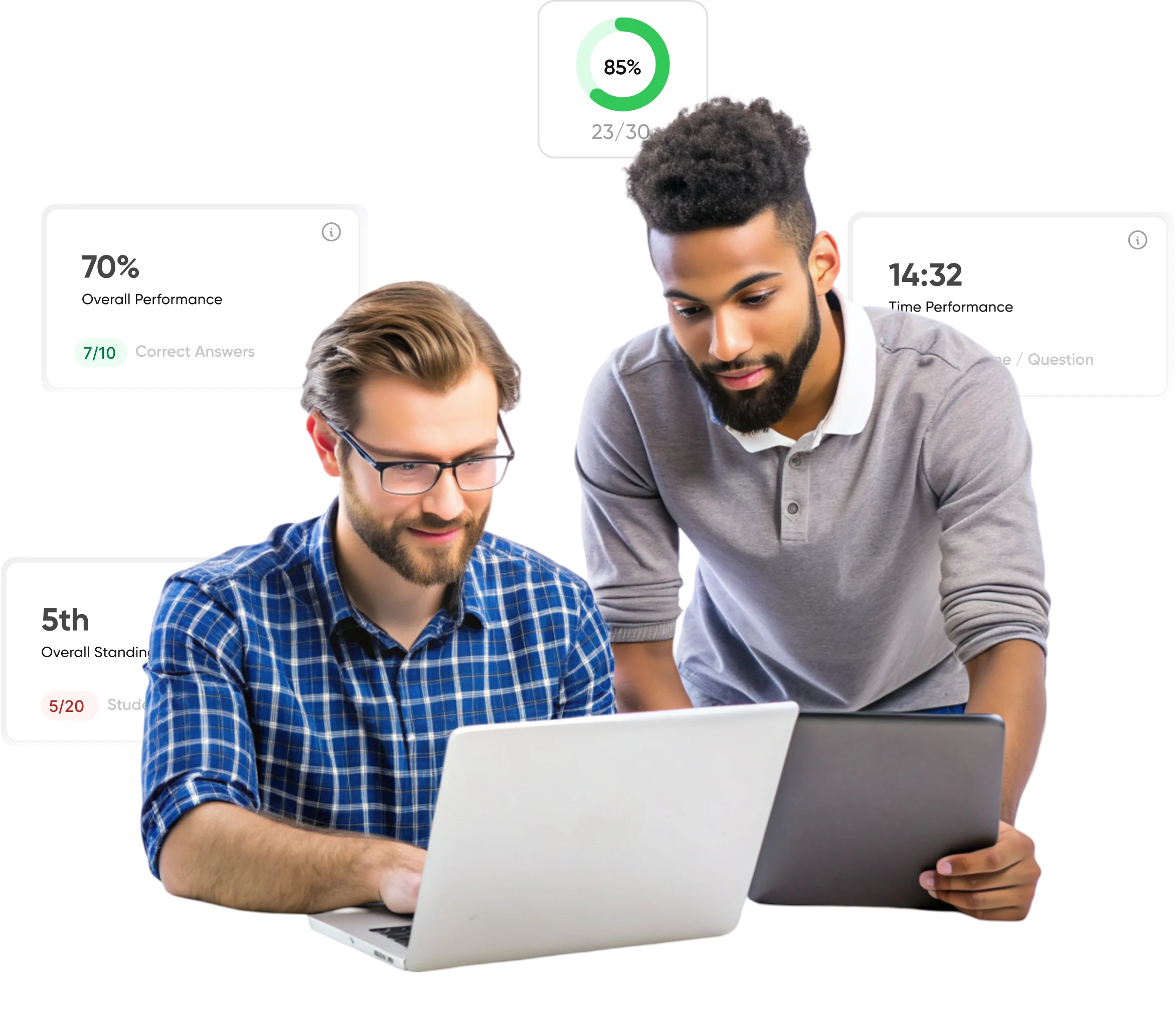
Two colleagues working through a course together, with overall performance, timing and standing figures alongside them
Learning Outcomes

What learners will be able to do

By the end of the training, learners should be able to:

  • Explain performance management as an ongoing cycle of expectations, support, feedback, development and accountability rather than a once-a-year event.
  • Set clearer goals, priorities and performance expectations and check that employees understand what good performance looks like.
  • Use coaching questions, active listening and appropriate manager guidance to help employees think through challenges and development goals.
  • Give specific feedback based on observable behavior and impact, then turn the feedback into a two-way conversation about next steps.
  • Recognize strong performance in ways that reinforce useful behaviors, contribution and progress.
  • Prepare for more productive performance reviews using goals, evidence, prior conversations, employee perspective and development priorities.
  • Address underperformance earlier, agree practical actions and follow-up, and recognize when HR or formal organizational processes should be involved.
Customize by Role

Customize the Training by Manager Role

Use one core coaching and performance-management template, then emphasize the goals, conversations, performance signals and people processes each manager audience is most likely to handle.

AudienceWhat to emphasize
New / first-time managersSetting expectations, regular one-to-ones, basic coaching questions, specific feedback, recognition, documenting agreements and knowing when to involve HR.
Experienced people managersCoaching for growth, challenging performance conversations, calibration, development planning, handling disagreement, supporting improvement and coaching other managers.
Team / project leadsGoals and priorities, influence without full authority, project feedback, shared accountability, cross-functional coaching and escalating performance concerns appropriately.
Sales / service / operational managersFrequent performance signals, target and quality conversations, coaching after calls or shifts, recognition, role-specific measures and timely corrective feedback.
Remote / hybrid managersClear outcomes, written expectations, regular check-ins, evidence-based feedback, avoiding proximity bias, choosing the right communication channel and maintaining connection.
Customize With Vocaliv

Customize This Coaching & Performance Template With Vocaliv

Start with the core coaching, feedback and performance-management structure, then replace generic examples with your goals, competencies, review process, manager guidance and real workplace situations.

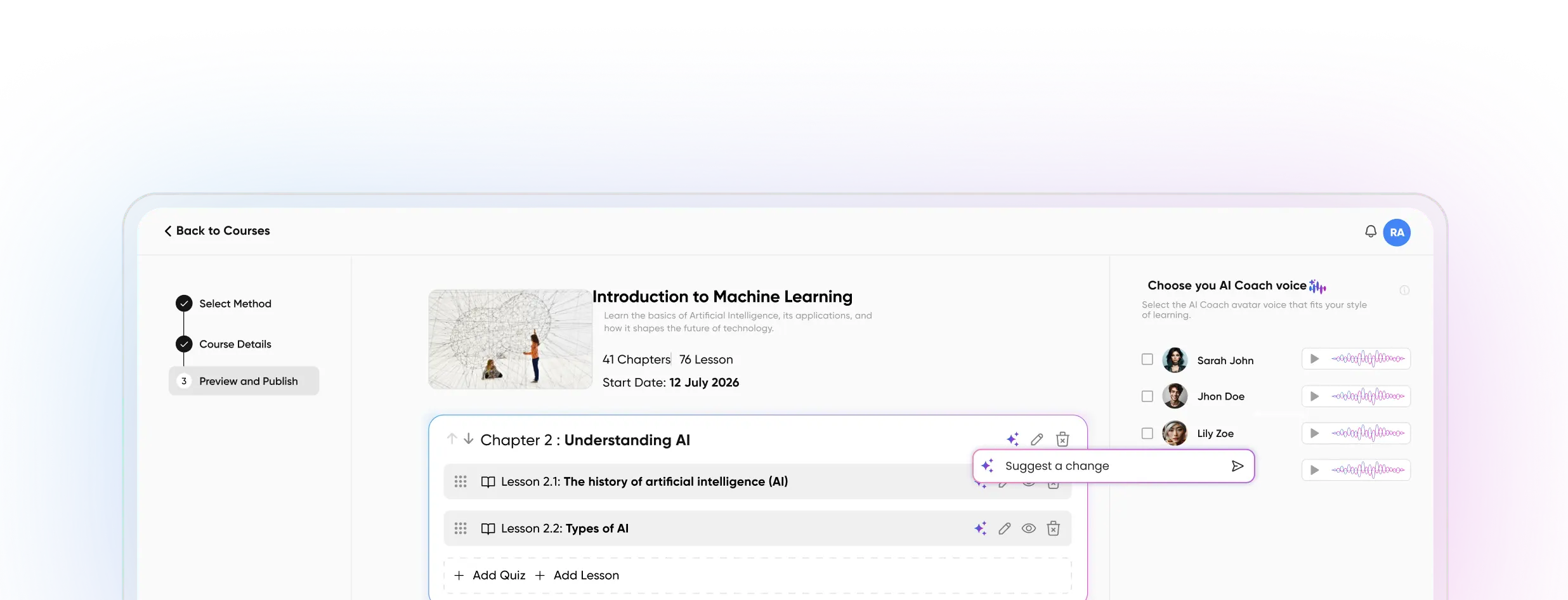
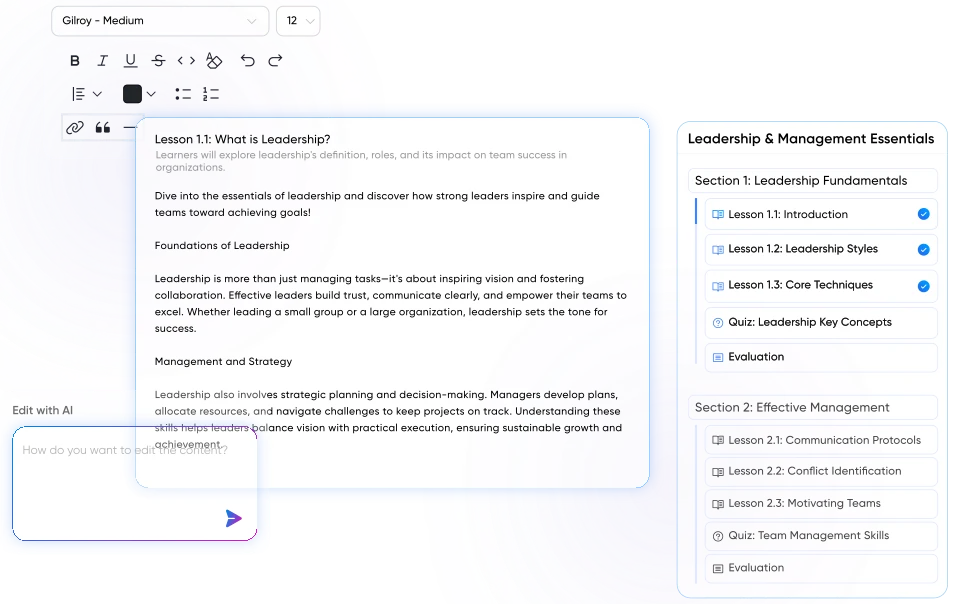
The Vocaliv course editor with the template's modules being rewritten around the organization's performance framework and review calendar
1

Align the course to your performance framework

Add your goal-setting process, competency framework, performance standards, rating approach, review calendar, development planning tools and manager responsibilities so the training reflects your actual system.

2

Add realistic manager conversations from your workplace

Turn recurring performance questions, anonymized review situations, feedback challenges, goal-setting issues and coaching moments into scenario-based practice for managers.

3

Generate knowledge checks and conversation practice

Create short assessments and reflection prompts around expectations, coaching questions, feedback quality, performance reviews, underperformance and follow-through.

4

Turn the course into presentation-ready slides

Prepare an instructor-led version for manager academies, new-manager onboarding, leadership workshops, performance-cycle briefings or periodic people-manager refreshers.

5

Use Vocaliv AI Coach where appropriate

Let learners ask questions based on the approved manager guidance, process and policies you provide. The AI Coach can support practice and reinforcement, while live employee-relations decisions, formal performance actions, legal questions and policy exceptions remain with the appropriate internal owner.

6

Use your trainer's voice

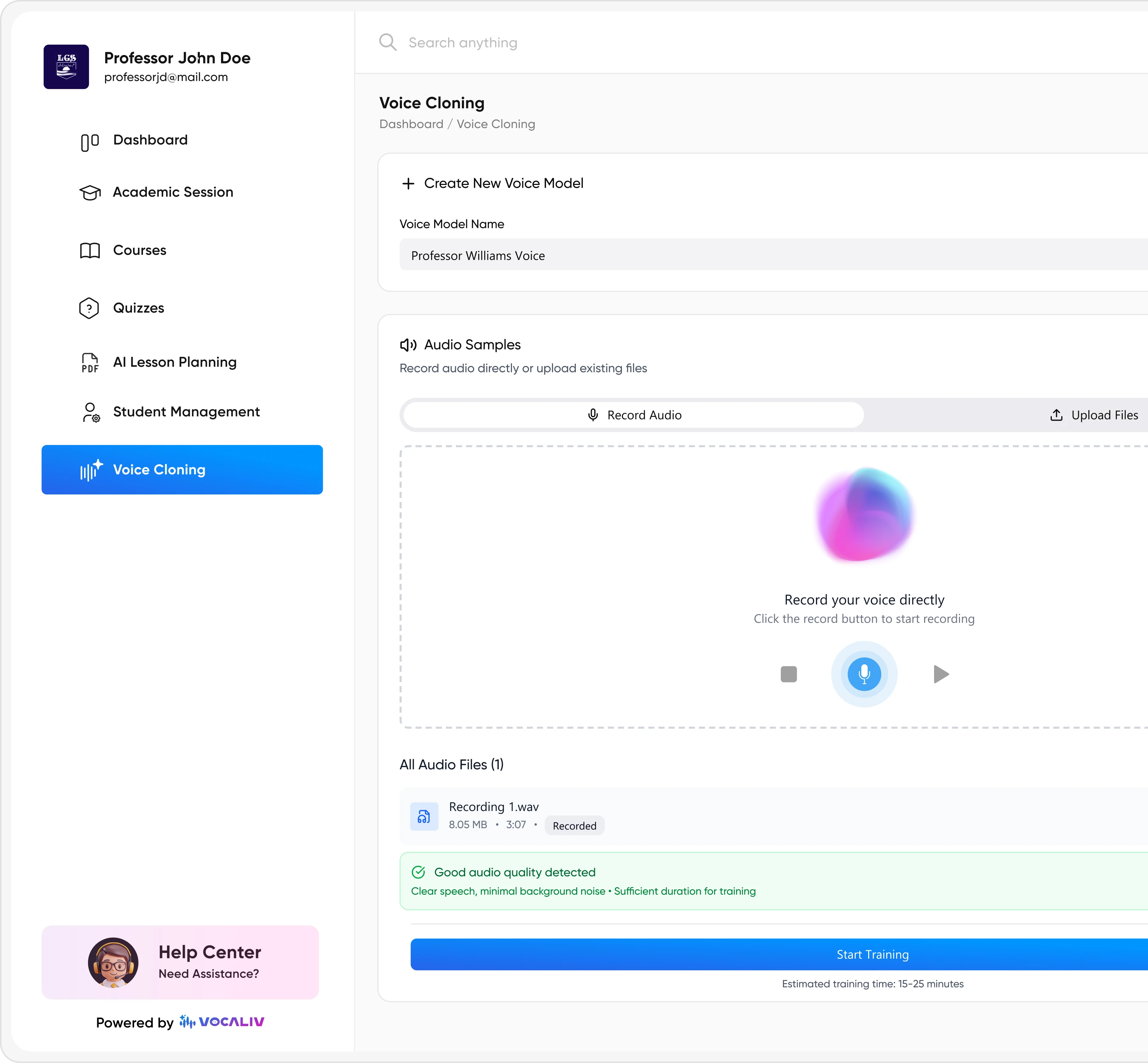
Where appropriate, voice cloning can help deliver AI-assisted course content in a familiar leadership facilitator, HR, L&D or people-team voice.

FAQ

Frequently Asked Questions

Make Better Performance Conversations Part of Everyday Management

Start with a structured coaching and performance-management template, add your goals and people processes, and give managers practical tools for clearer expectations, better feedback, development and follow-through.

Chat with us 👋