Leadership & Management Course Template

Emotional Intelligence for Managers Template

Help managers understand how emotions influence attention, communication and behavior at work - then build practical habits for responding with greater awareness and intention. Use this ready-to-customize course template to develop self-awareness, self-management, empathy, active listening, feedback, conflict navigation, trust and emotionally intelligent team leadership.

Skills / Topics
  • Self-awareness
  • Self-management
  • Emotional triggers
  • Empathy
  • Active listening
  • Perspective-taking
  • Feedback
  • Conflict navigation
  • Trust
  • Relationship management
Template Overview

Help managers respond thoughtfully to pressure, people and difficult moments - instead of reacting on autopilot.

Managers influence the emotional climate of a team through everyday behavior: the way they respond to mistakes, listen to concerns, handle tension, give feedback, communicate change and manage their own stress. Emotional intelligence training can help managers become more aware of those patterns and make more deliberate choices when conversations are sensitive, uncertainty is high or different perspectives collide.

This template provides a practical foundation for emotional intelligence in management. It covers the role of emotions at work, self-awareness, triggers and self-management, empathy and perspective-taking, active listening, communication and feedback, conflict and trust, and applying emotional intelligence to team leadership.

Structure
8 modules
Audiences
5 manager tracks
Scope
Self-awareness, empathy & difficult conversations
Delivery
Fully customizable in Vocaliv
What's Included

What's Included in This Training Template

A suggested eight-module structure that can be adapted to your leadership framework, management culture, workforce and people-development priorities.

  1. Module 1

    Emotional Intelligence in the Manager Role

    Introduce emotional intelligence as the ability to notice, understand and work with emotional information in oneself and in interactions with others. Connect the topic to everyday management situations such as feedback, pressure, disagreement, change and team motivation without treating emotional intelligence as a fixed personality score.

  2. Module 2

    Self-Awareness: Recognizing Triggers, Patterns & Impact

    Help managers notice their emotional signals, recurring triggers, assumptions and behavioral patterns. Practice identifying how tone, body language, timing and habitual responses may affect the team - especially when the manager is frustrated, rushed, uncertain or under pressure.

  3. Module 3

    Self-Management: Creating Space Between Reaction & Response

    Build practical habits for pausing, regulating attention, checking assumptions and choosing a response that fits the situation. Explore ways to manage intensity, recover from mistakes and communicate calmly without pretending that difficult emotions do not exist.

  4. Module 4

    Empathy, Perspective-Taking & Social Awareness

    Develop the ability to consider what another person may be experiencing while avoiding mind-reading or premature conclusions. Practice curiosity, perspective-taking and context-sensitive questions. Reinforce that empathy means understanding another viewpoint, not automatically agreeing with it.

  5. Module 5

    Active Listening & Reading the Situation

    Strengthen listening habits that help managers hear both the content and concerns behind a message. Practice open questions, reflection, summarizing, checking understanding and noticing changes in tone or behavior without over-interpreting nonverbal cues.

  6. Module 6

    Emotionally Intelligent Feedback & Difficult Conversations

    Apply emotional intelligence to feedback, coaching and challenging conversations. Help managers separate observations from assumptions, explain impact clearly, invite the employee's perspective, manage defensiveness and agree practical next steps while maintaining respect and accountability.

  7. Module 7

    Conflict, Trust & Relationship Repair

    Help managers recognize when tension is escalating, slow down reactive exchanges and focus conversations on facts, needs, expectations and workable next steps. Include skills for acknowledging impact, repairing trust after a poor interaction and knowing when additional HR, mediation or specialist support is appropriate.

  8. Module 8

    Applying Emotional Intelligence to Team Leadership

    Bring the skills together in everyday leadership: adapting communication, recognizing different needs, supporting change, making fair decisions, maintaining boundaries and creating a team climate where people can raise concerns, learn from mistakes and work through disagreement constructively.

Why Your Managers Need Emotional Intelligence Training

Give managers practical tools for handling people, pressure and difficult conversations with more awareness, clarity and intention.

Reduce reactive management habits

Help managers notice triggers and automatic responses before frustration, defensiveness or stress shapes the conversation.

Strengthen listening and communication

Build habits for checking understanding, asking better questions and communicating in ways that are clearer and more responsive to the situation.

Make feedback conversations more constructive

Help managers stay specific, respectful and curious while still addressing expectations, impact and accountability.

Navigate tension and conflict more deliberately

Give managers a practical way to slow down escalating interactions, test assumptions and focus on workable next steps.

Build trust through consistent behavior

Reinforce habits such as fairness, follow-through, respectful challenge, acknowledging mistakes and repairing communication when it goes wrong.

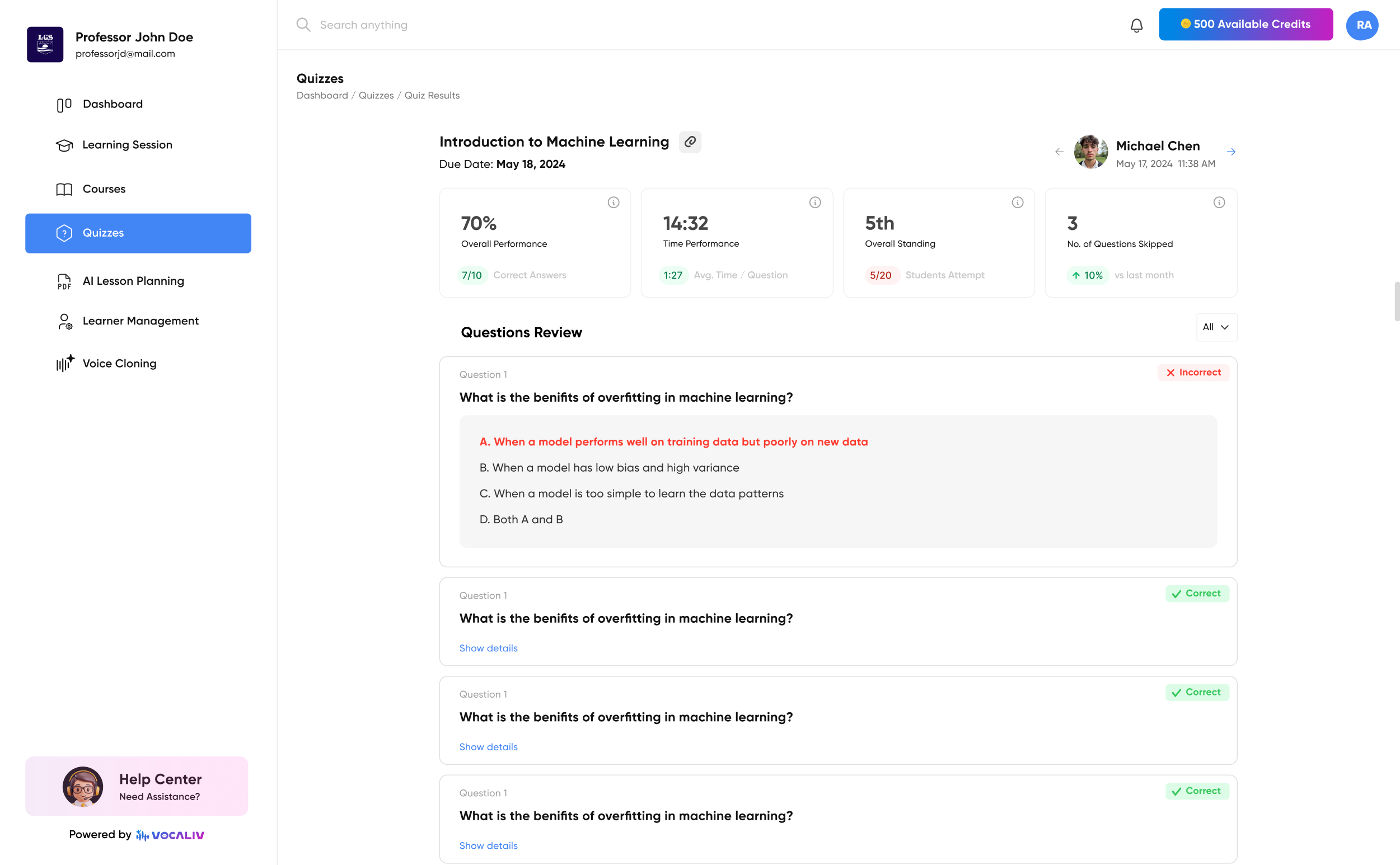
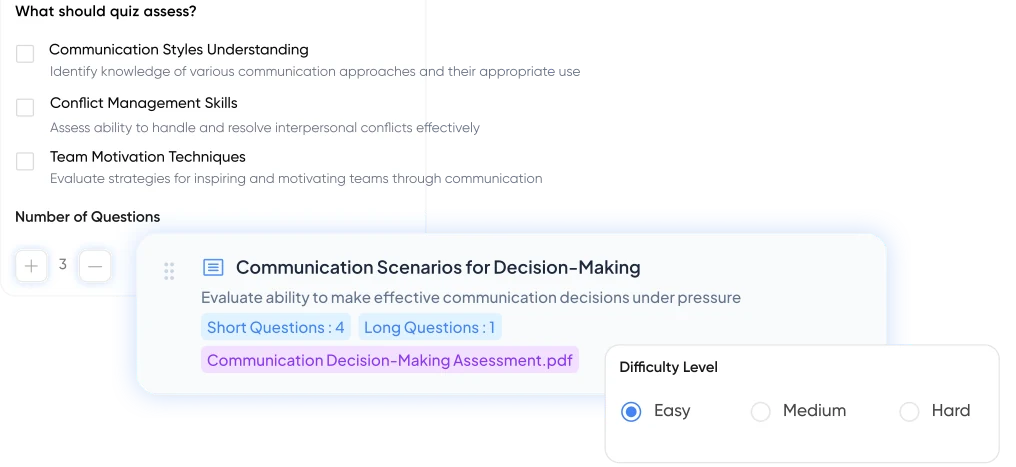
An assessment being built in Vocaliv around communication styles, conflict management and team motivation, with its difficulty level being set
Learning Outcomes

What learners will be able to do

By the end of the training, learners should be able to:

  • Explain emotional intelligence in practical management terms and recognize its limits as a leadership concept rather than a clinical or personality diagnosis.
  • Identify common emotional triggers, assumptions and behavioral patterns that can influence their leadership decisions and communication.
  • Use a simple pause-and-check process to choose more deliberate responses when pressure, frustration or defensiveness is high.
  • Apply empathy and perspective-taking without assuming they know exactly what another person is feeling or automatically agreeing with that person.
  • Use active-listening techniques such as open questions, reflection, summarizing and checking understanding in management conversations.
  • Give feedback and handle difficult conversations with clearer observations, respectful language, curiosity and appropriate accountability.
  • Recognize escalating conflict, identify when HR, mediation or specialist support may be needed, and choose personal leadership habits to strengthen through continued practice.
Customize by Role

Customize the Training by Manager Role

Use one core emotional-intelligence template, then emphasize the relationships, pressure points, conversations and team dynamics each audience is most likely to encounter.

AudienceWhat to emphasize
New / first-time managersSelf-awareness, managing the transition in relationships, listening, feedback, delegation conversations, emotional triggers, trust and responding to mistakes or pushback.
Experienced people managersLeadership habits, difficult conversations, conflict patterns, empathy without over-accommodation, relationship repair, change leadership and coaching other managers.
Team / project leadsInfluence without full authority, stakeholder emotions, communication across functions, tension during delivery pressure, feedback and maintaining productive relationships.
Customer-facing / sales managersEmotional regulation under pressure, empathy, difficult customer situations, coaching teams after setbacks, debriefing conflict and balancing commercial expectations with respectful communication.
Remote / hybrid managersReading limited contextual cues carefully, choosing communication channels, checking assumptions, creating connection, noticing isolation or overload and avoiding misinterpretation in written communication.
Customize With Vocaliv

Customize This Emotional Intelligence Template With Vocaliv

Start with the core emotional-intelligence structure, then replace generic examples with your leadership principles, manager expectations, people processes and real situations from your organization.

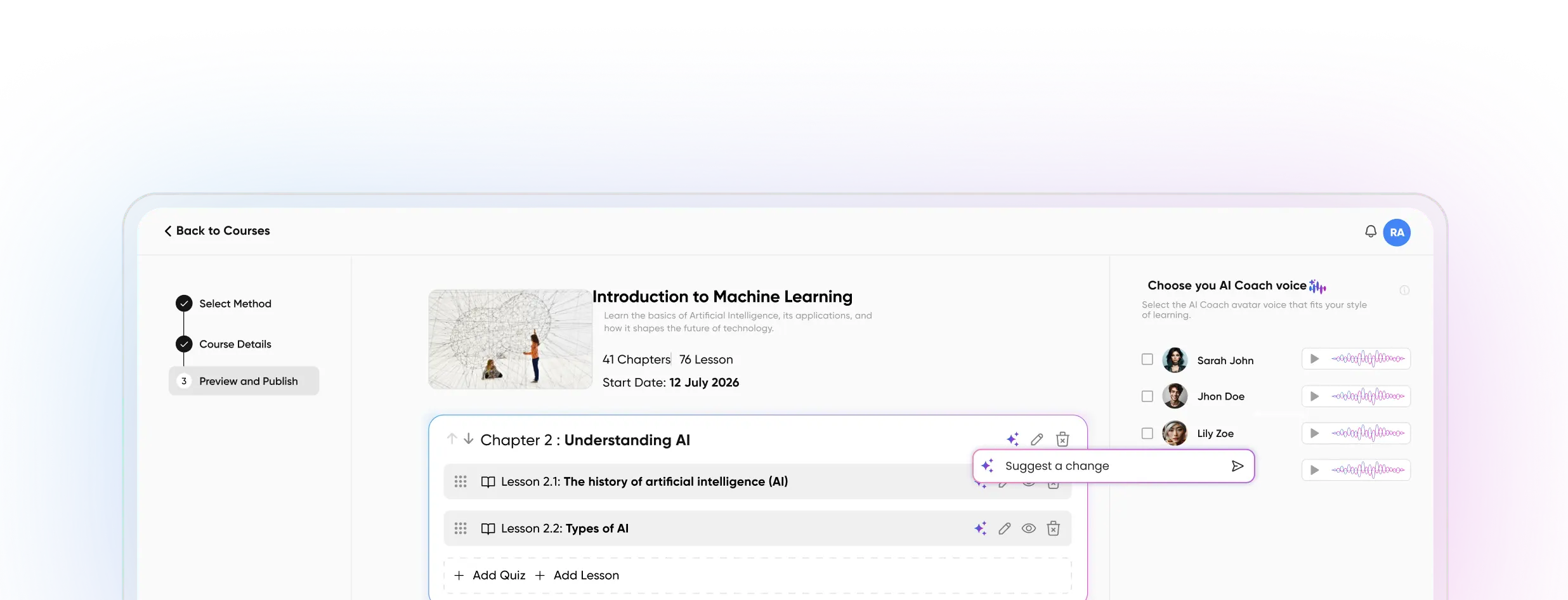
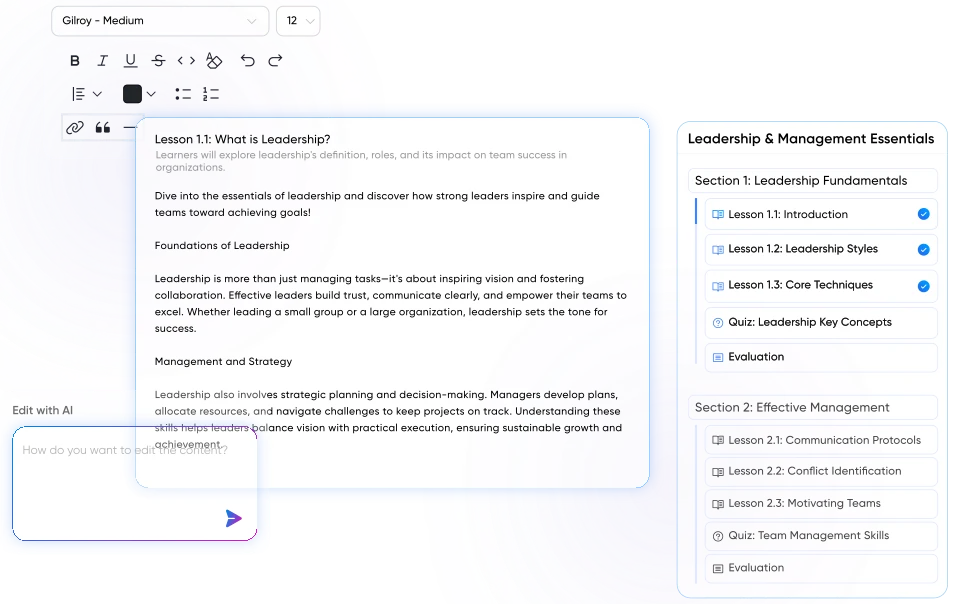
The Vocaliv course editor with the template's modules being rewritten around the organization's leadership principles and feedback model
1

Align the course to your leadership framework and values

Add your leadership principles, manager behaviors, communication expectations, values, feedback model, people policies and escalation routes so the course reflects how managers are expected to lead in your organization.

2

Add realistic management scenarios from your workplace

Turn recurring manager questions, anonymized team situations, change scenarios, feedback challenges and conflict patterns into practice activities that feel relevant to your managers.

3

Generate knowledge checks and reflection activities

Create short assessments and self-reflection prompts around emotional triggers, assumptions, listening, empathy, feedback, conflict, trust and choosing appropriate responses.

4

Turn the course into presentation-ready slides

Prepare an instructor-led version for leadership workshops, manager academies, cohort programs, new-manager onboarding or periodic development sessions.

5

Use Vocaliv AI Coach where appropriate

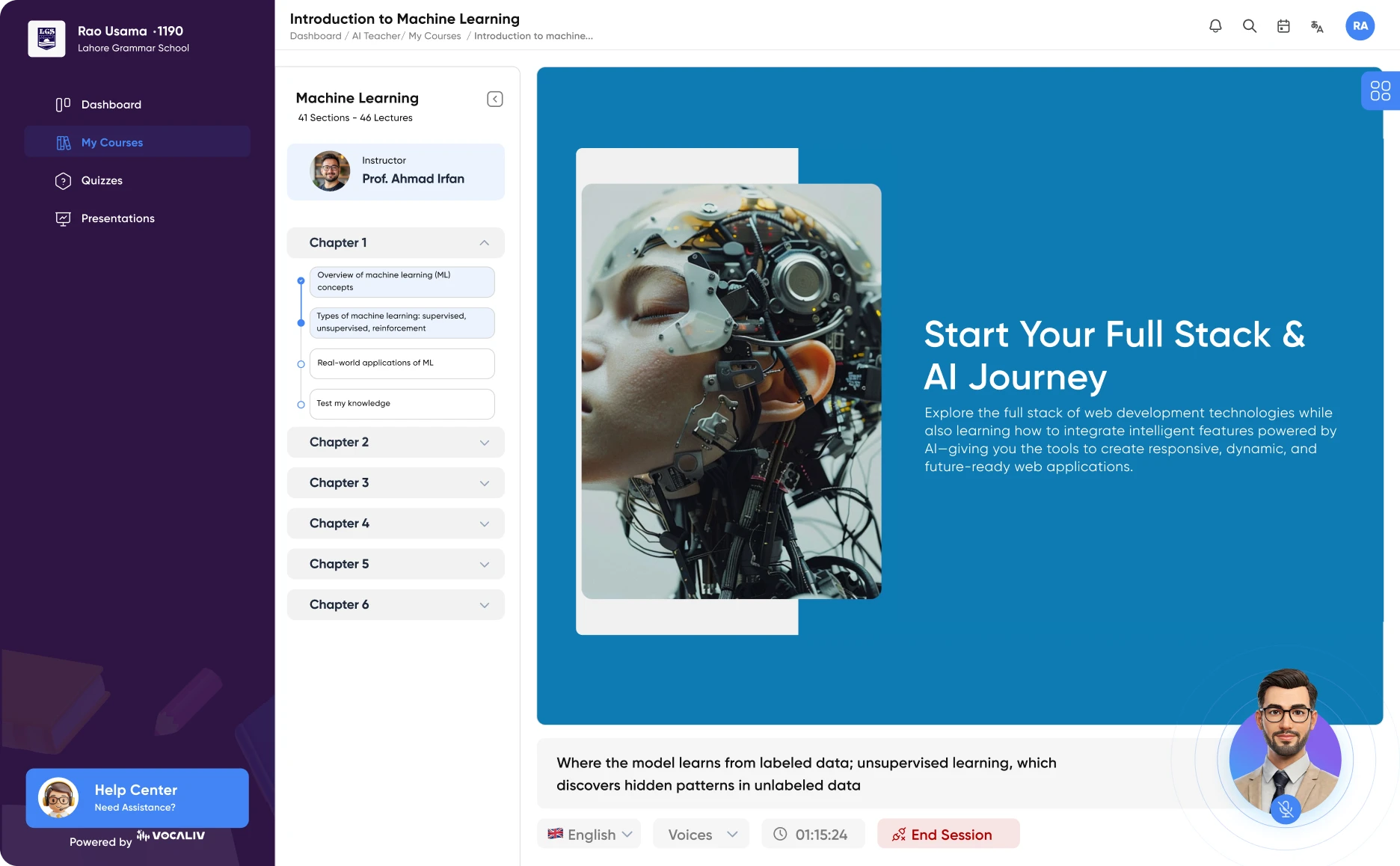
Let learners ask questions based on the approved course content, manager guidance and policies you provide. The AI Coach can support practice and reinforcement, while sensitive employee-relations issues, mental-health concerns, legal interpretations and live people decisions remain with the appropriate internal owner.

6

Use your trainer's voice

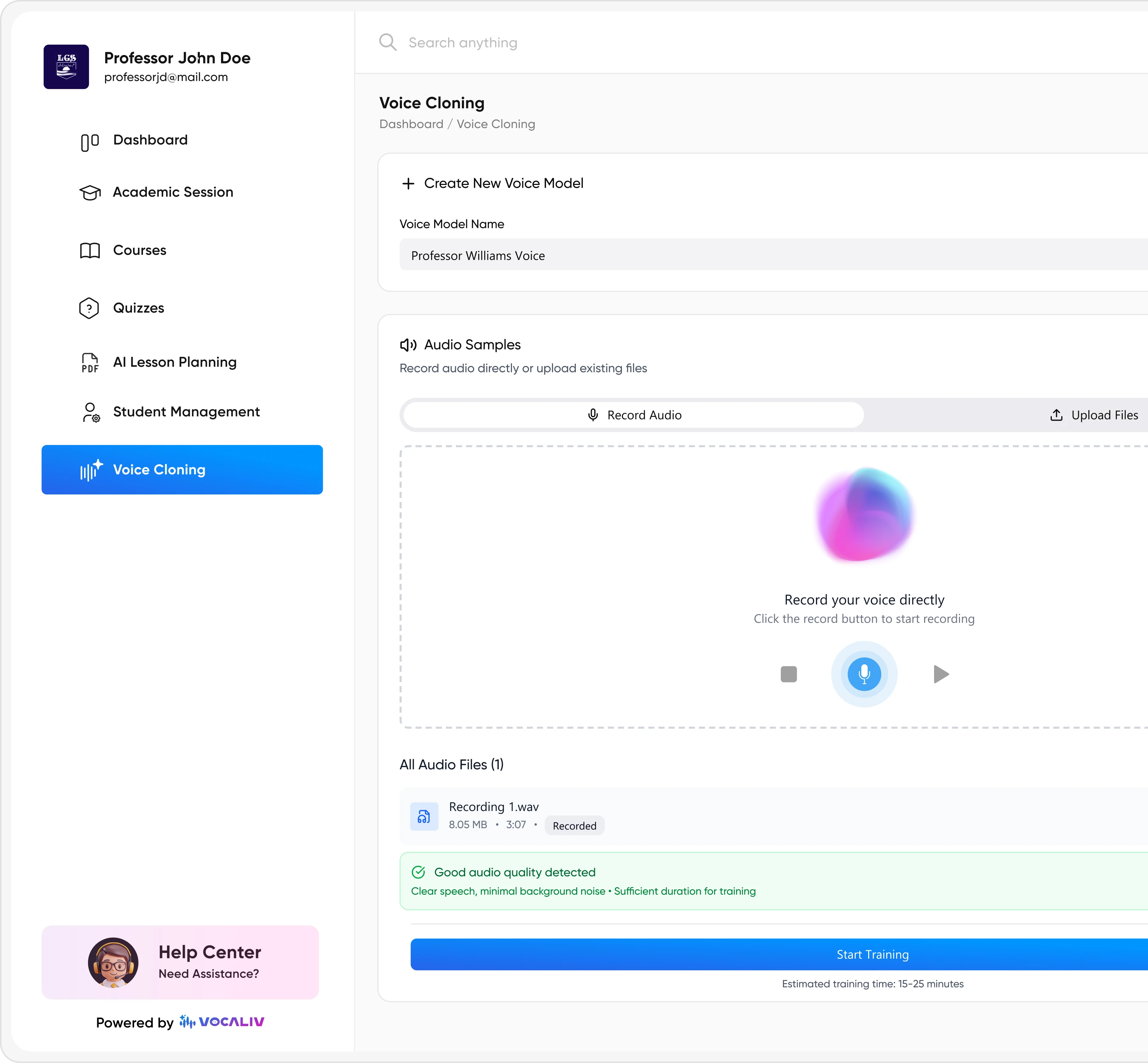
Where appropriate, voice cloning can help deliver AI-assisted course content in a familiar leadership facilitator, L&D or people-team voice.

FAQ

Frequently Asked Questions

Help Managers Lead People With More Awareness and Intention

Start with a structured emotional intelligence template, add your leadership expectations and real workplace scenarios, and give managers practical tools for listening, feedback, conflict, trust and communication under pressure.

Chat with us 👋