Help leaders stay clear, credible and coordinated when information is incomplete and pressure is high. Use this ready-to-customize course template to build practical skills in crisis leadership, rapid prioritization, decision-making under uncertainty, internal and external communication, stakeholder alignment, spokesperson discipline, rumor management and post-crisis learning.
A crisis compresses time, increases uncertainty and raises the cost of unclear communication. Leaders may need to make decisions before every fact is known, coordinate across functions, reassure employees or customers without overpromising, respond to media or social channels, correct misinformation and keep teams focused while the situation continues to evolve.
This template provides a practical foundation for crisis leadership and communication. It covers leadership roles and decision principles, situational awareness, crisis-message design, stakeholder and audience needs, internal coordination, spokesperson and channel discipline, handling uncertainty and difficult questions, rumor and misinformation response, recovery communication and after-action learning.
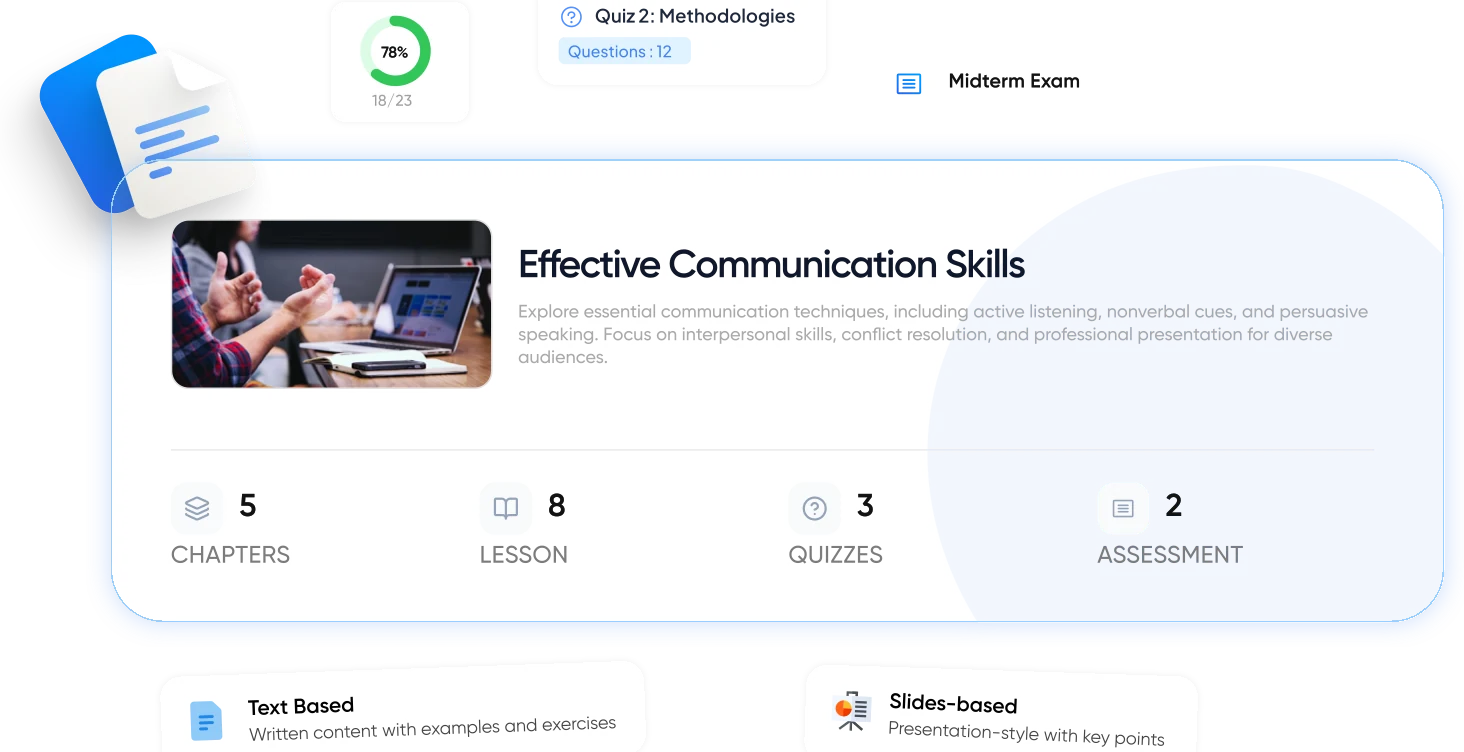
A suggested eight-module structure that can be adapted to your crisis plan, leadership model, workforce, communication channels and operating risks.
Define what crisis leadership requires when normal operating assumptions no longer hold. Clarify decision ownership, visible leadership behaviors, role discipline, escalation and the importance of creating direction without pretending to have certainty that does not yet exist.
Teach leaders to separate confirmed facts, assumptions, unknowns and emerging risks. Practice identifying immediate priorities, setting decision thresholds, documenting key choices and revisiting decisions as new information becomes available.
Build a practical communication discipline around being timely, accurate and credible; acknowledging impact; showing respect; explaining uncertainty; and giving people meaningful actions. Reinforce that speed should not become speculation and reassurance should not outrun the facts.
Help learners identify who needs information, what each audience needs to know and what action they may need to take. Build messages around confirmed facts, current actions, uncertainties, next steps, contact points and the timing of the next update.
Show how leaders can maintain one shared operating picture across leadership, communications, operations, HR, legal, security, customer teams and other functions. Cover update cadence, handoffs, decision logs, escalation and avoiding conflicting messages across teams.
Prepare leaders and designated spokespersons to stay on message, answer difficult questions without guessing and use approved channels consistently. Include practical approaches for monitoring rumors, correcting significant misinformation and avoiding public arguments that amplify unverified claims.
Practice communicating impact, delays, failures, injuries, disruptions or difficult trade-offs with empathy and precision. Help leaders acknowledge what people are experiencing, distinguish facts from forecasts and explain what will happen next without making promises the organization cannot support.
Move from immediate response into recovery by explaining restoration priorities, unresolved issues and what stakeholders can expect next. Introduce after-action review, lessons learned, corrective actions and communication practices that help rebuild confidence after the acute phase has passed.
Give leaders a shared way to make decisions, coordinate messages and communicate uncertainty so pressure does not turn into confusion, silence or contradictory action.
Teach leaders to distinguish facts, unknowns, assumptions and decisions so teams and stakeholders receive useful information without speculation.
Build habits for timely updates, visible uncertainty and clear next steps rather than waiting for perfect information or filling gaps with premature conclusions.
Create a common message structure, update cadence and source of truth so operations, HR, communications, customer teams and executives do not tell different stories.
Help leaders explain what employees, customers, partners or other stakeholders should do now, where to get help and when they can expect the next update.
Prepare leaders to communicate progress, acknowledge impact, explain corrective actions and capture lessons after the immediate crisis has passed.

By the end of the training, learners should be able to:
Use one core crisis-leadership template, then emphasize the decisions, audiences, authority, information flows and communication responsibilities each group is most likely to own.
| Audience | What to emphasize |
|---|---|
| Executives / senior leaders | Decision rights, strategic priorities, visible leadership, stakeholder confidence, major trade-offs, message alignment, spokesperson decisions and recovery commitments. |
| Managers / team leads | Employee updates, local decisions, rumor control, workload and wellbeing awareness, escalation, team continuity and translating enterprise messages into clear team actions. |
| Communications / PR teams | Message architecture, audience mapping, spokesperson preparation, media handling, channel coordination, monitoring, rumor response, update cadence and approval workflows. |
| Operations / incident leads | Shared situational awareness, operational facts, decision logs, handoffs, escalation thresholds, technical-to-nontechnical translation and coordination with communications. |
| HR / people / customer-facing leaders | Employee or customer impact, empathy, service guidance, support channels, sensitive information, consistent FAQs, difficult conversations and escalation of legal or welfare concerns. |
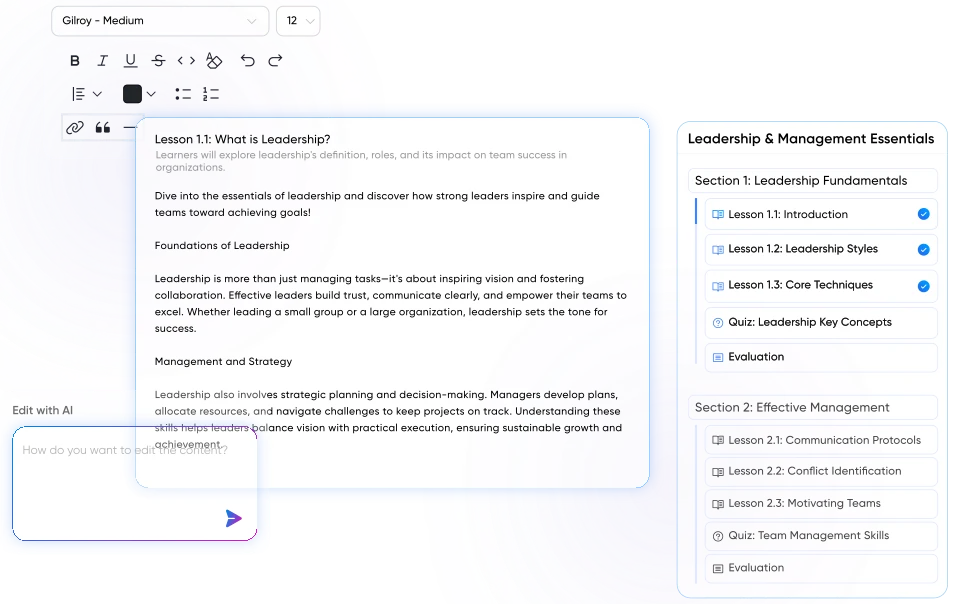
Start with the core crisis-leadership structure, then replace generic examples with your incident roles, communication plan, approval routes, channels, escalation thresholds and realistic organizational scenarios.

Add your crisis-team structure, decision authority, escalation matrix, spokesperson rules, legal or compliance review steps, internal channels, customer channels and emergency contact points.
Turn approved incidents, tabletop exercises, recurring disruption themes and anonymized near misses into practice scenarios that reflect the decisions and communication pressures your leaders may actually face.
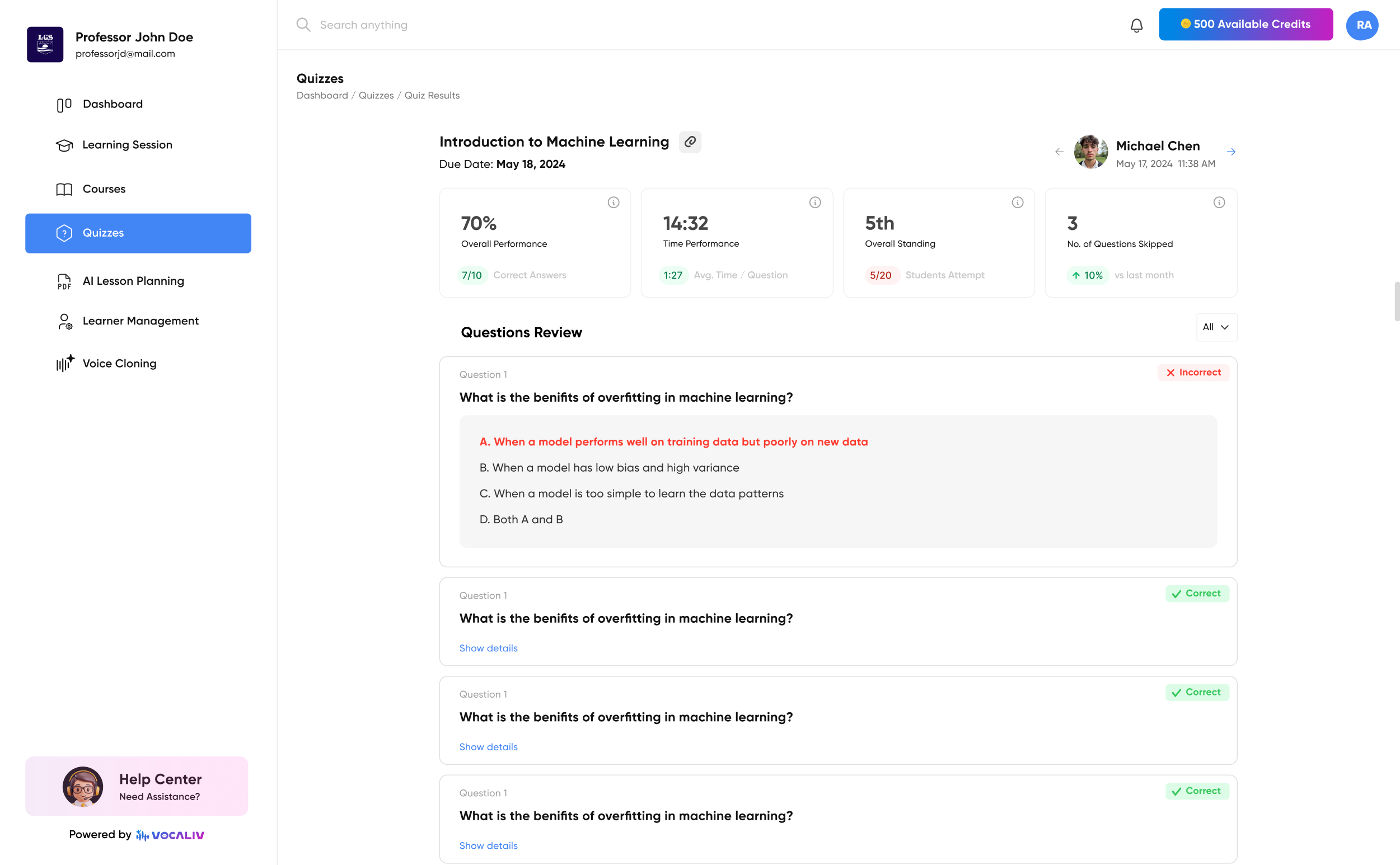
Create short assessments around fact-versus-assumption, message structure, stakeholder prioritization, escalation, spokesperson discipline, rumor response and recovery communication.
Prepare an instructor-led version for leadership workshops, crisis-team onboarding, tabletop exercises, manager briefings or periodic preparedness refreshers.
Let learners ask questions based on the approved crisis plan, communication guidance and course content you provide. The AI Coach can reinforce learning and scenario practice, while live emergency decisions, legal judgments, security actions and specialist incident response remain with the appropriate responsible teams.
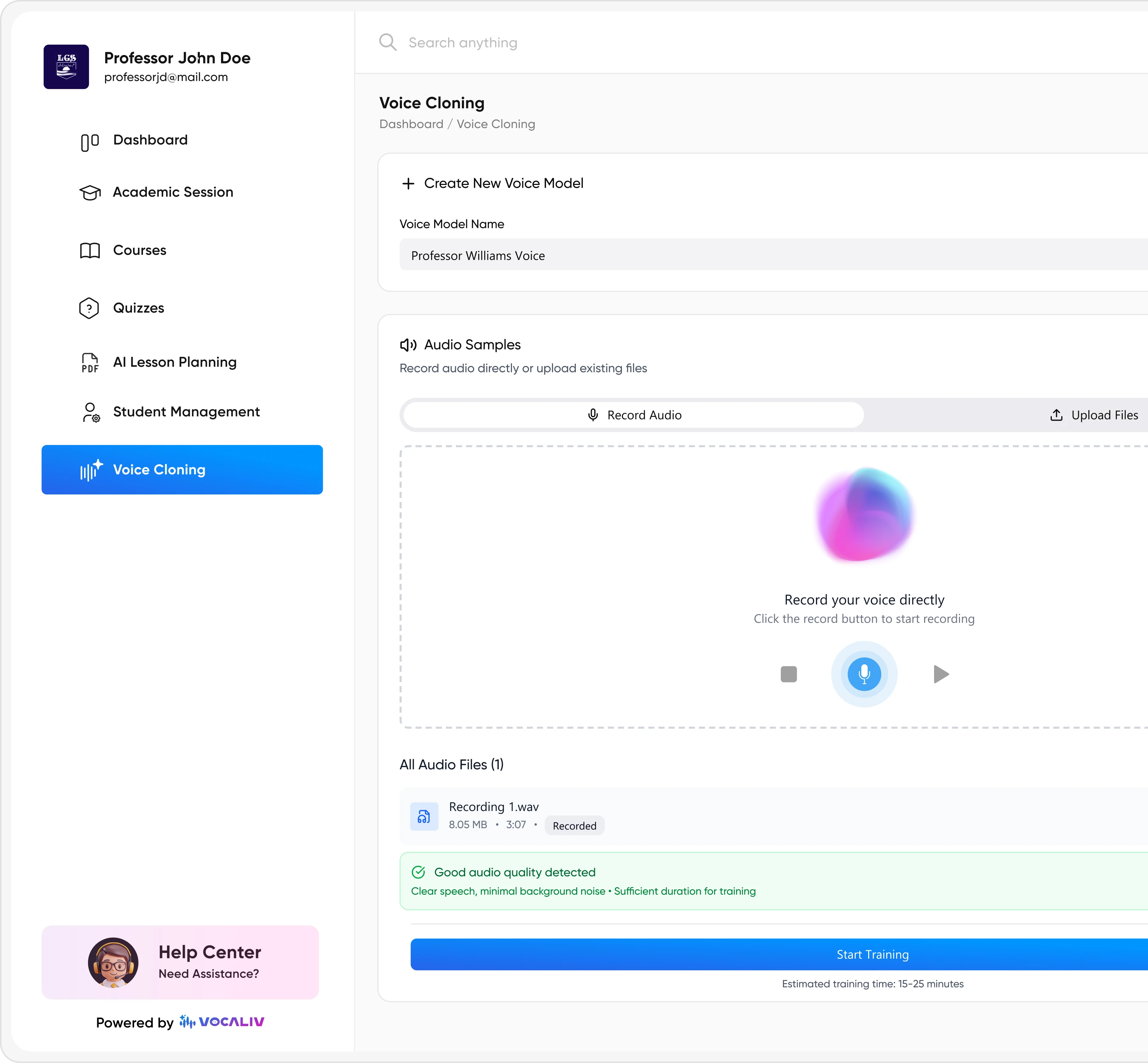
Where appropriate, voice cloning can help deliver AI-assisted course content in a familiar crisis-management, leadership, communications or L&D facilitator voice.
Start with a structured crisis leadership and communication template, add your response roles, real scenarios and communication protocols, and give leaders a practical framework.